Steam slides off a bowl. Sour, then a shy sweetness. I taste fish, then miss it, then it returns. Filipino fine dining sits on my tongue and I try to name it. I say sinigang under my breath. No, too neat. Maybe a memory of sinigang, clarified and strained until the river goes quiet. The spoon clinks. I swallow. I’m not ready, but I pay attention.
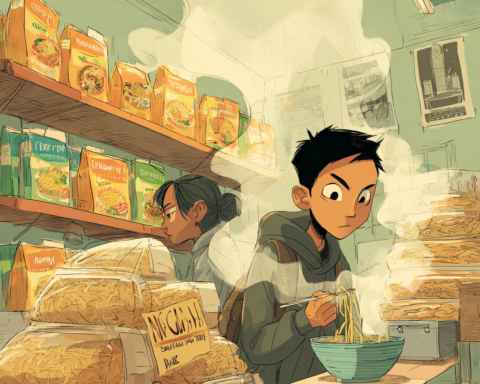
The first time I saw the fifty dollar plate, I felt the old tug of turo-turo lines in Manila. Plastic trays. Kanin piled soft and hot. A scoop of adobo or laing sliding into its corner, a quick sawsaw of suka and salt. Here the plate is heavy, the sauce is drawn into neat circles, and the rice is a whisper under a dome. I blink. The thing is itself, and not itself. Both.
We say ascent. We say recognition. We say Filipino fine dining and feel the applause rise like steam from the plate. I want to agree. I do. Then the price lands. Fifty dollars. Fifty again. The number repeats in my head like a chant, or a dare. I take another bite to steady myself. Too much tamarind? No. I correct myself. The acid is from dayap zest, held back, then pushed forward by heat. A small stumble on my tongue, then a straightening.
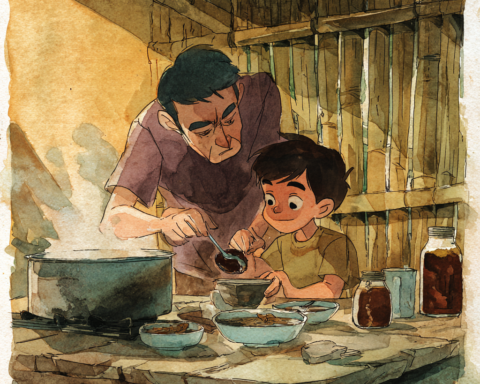
Some nights the tasting menu works like memory. One spoon for Lola, who kept a jar of bagoong hidden behind the bao. One spoon for the bus rides home, fried garlic riding the air, pandesal still warm. One spoon for the first flat in Sydney, when I learned to stretch tinapa into a week. Filipino fine dining, when it honors these small economies, doesn’t polish them away. It lets the thrift show. It lets the smoke linger even when the smoke is an idea, not a cloud.
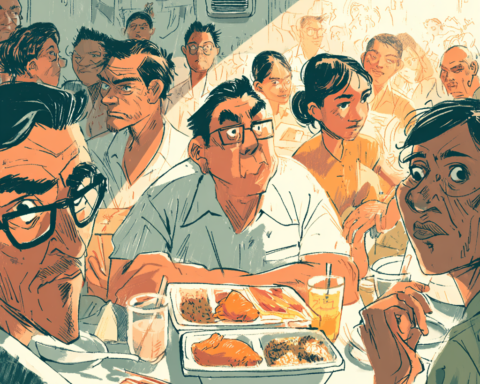
Other nights the room feels like a museum. We walk through courses as if the past required velvet ropes. A shard of lechon skin arrives, shatters, then disappears behind a sorbet palate reset. I nod, then forget. The plate glows, the story dims. A contradiction sits beside the wine. We say we are finally seen. We also say we must explain ourselves again, now with micro herbs.
What do we want the fifty dollars to buy. A seat at the global table. A way to pay cooks a living wage. A stage where the quiet work of lutong-bahay can stand without apology. Yes to all three, I tell myself. Then I taste a broth that erases the muddle of life, the bit of grit you sometimes find near the shrimp head, and I miss the grit. Not for romance. For truth. I stop mid-chew, surprised by the empty smoothness. I wanted the river. I got a glass.
Still, the craft matters. Knife work that respects the fiber of kangkong. Heat that sweetens garlic without burning it bitter. Stock that begins with bones and time, not shortcuts. Filipino fine dining, when it takes this discipline and points it at our own pantry, feels like a promise fulfilled. Not a copy. Not a translation for someone else’s ear. A clear voice. And it can taste like courage. Sharp, then gentle. I reach for salt, then pull back. The balance holds.
International praise adds another layer. The Michelin Guide lists a few rooms. Lists, not crowns. We read the blurbs and hear the cadence of an old empire giving new permission. We also hear bookings filling up, suppliers getting paid on time, the sous-chef sending money home. I try to refuse the validation. I fail. Then I accept the utility without granting it the final word. That’s my small rebellion. Or my compromise. Both.
Here’s a plate that wants to teach without scolding. A cube of kare-kare peanut custard sits beside a braise that respects sinew. The sauce is set, not poured. A fan of pechay catches the light. I taste it. The fat is tamed, not banished. The bagoong is softened, then allowed a single loud line. I smile, then frown at myself for smiling. I wasn’t supposed to enjoy the neatness. I do anyway.
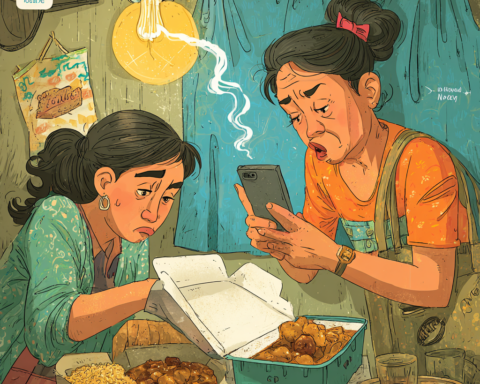
Price bends meaning. Fifty dollars in Manila is not fifty in Melbourne. In Quezon City, it can stretch to a salu-salo for four at a good karinderya. In Sydney, it buys one careful plate and a seat where the lights dim on cue. Both are celebrations. Both honest in their way. I want them to touch. A tiny pile of puffed rice on the fine plate. A weekday stew taught to hold the line without collapsing. I think of pasalubong. I think of the small plastic box that crosses oceans and still smells like home when you open it in a break room far from EDSA.
If ascent asks for proof, let the proof be flavor that remembers labor. Knife calluses. Market dawn. A hand that knows when to stop salting. Filipino fine dining should preserve this grammar, not erase it. Let a course arrive with a story brief enough to leave space for chewing. Let the servers say sawsawan without flinching, then translate only if asked. Let Tagalog live on the menu, italicized, yes, but alive. Not as a flourish. As a map.
I worry about the plates that chase trend. Smoke bells. Foams for the sake of foam. A deconstructed halo-halo that forgets why ice feels like relief after a day of heat and jeepney dust. I start a sentence about authenticity and stop. The word is tired. I try again. Keep the weather in the dish. Keep the commute. Keep the payday treat and the ritual of stretching leftovers until Friday. If technique helps carry those truths to the table, keep it. If technique scrubs them out, set it down.
So, does international recognition validate or distort. The answer tastes different course to course. Recognition buys time for a chef to think. It also taxes the plate with an accent not its own. I sip water, then go back to the soup. The broth has cooled. The sour has grown rounder. Better. Or I adjusted. I’m not sure. I want to say the ascent is ours either way. The check arrives. Fifty dollars. I touch the paper. I remember a plastic tray. I raise the spoon again and finish the last mouthful, not ready to declare a verdict. Only this. The river should still be heard.