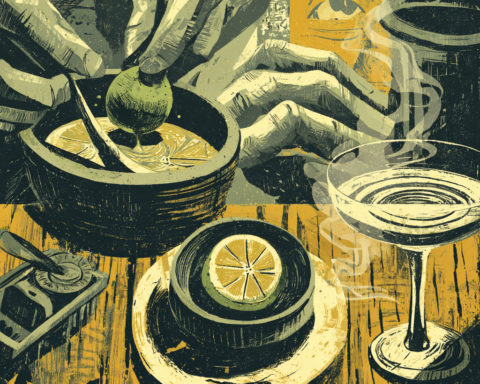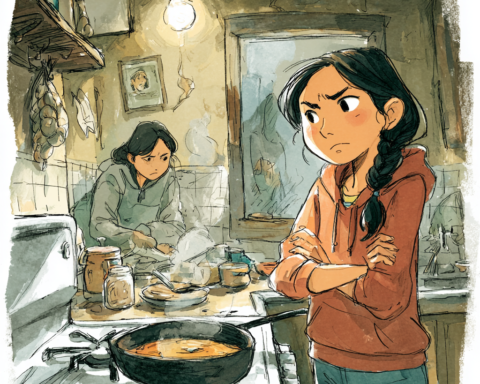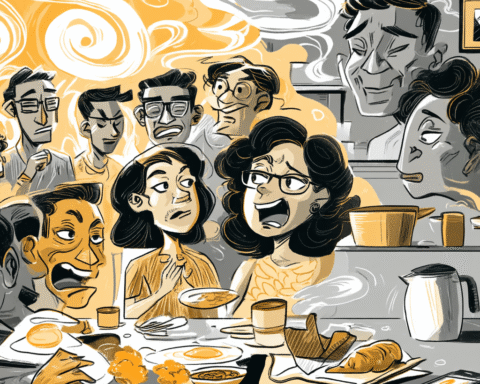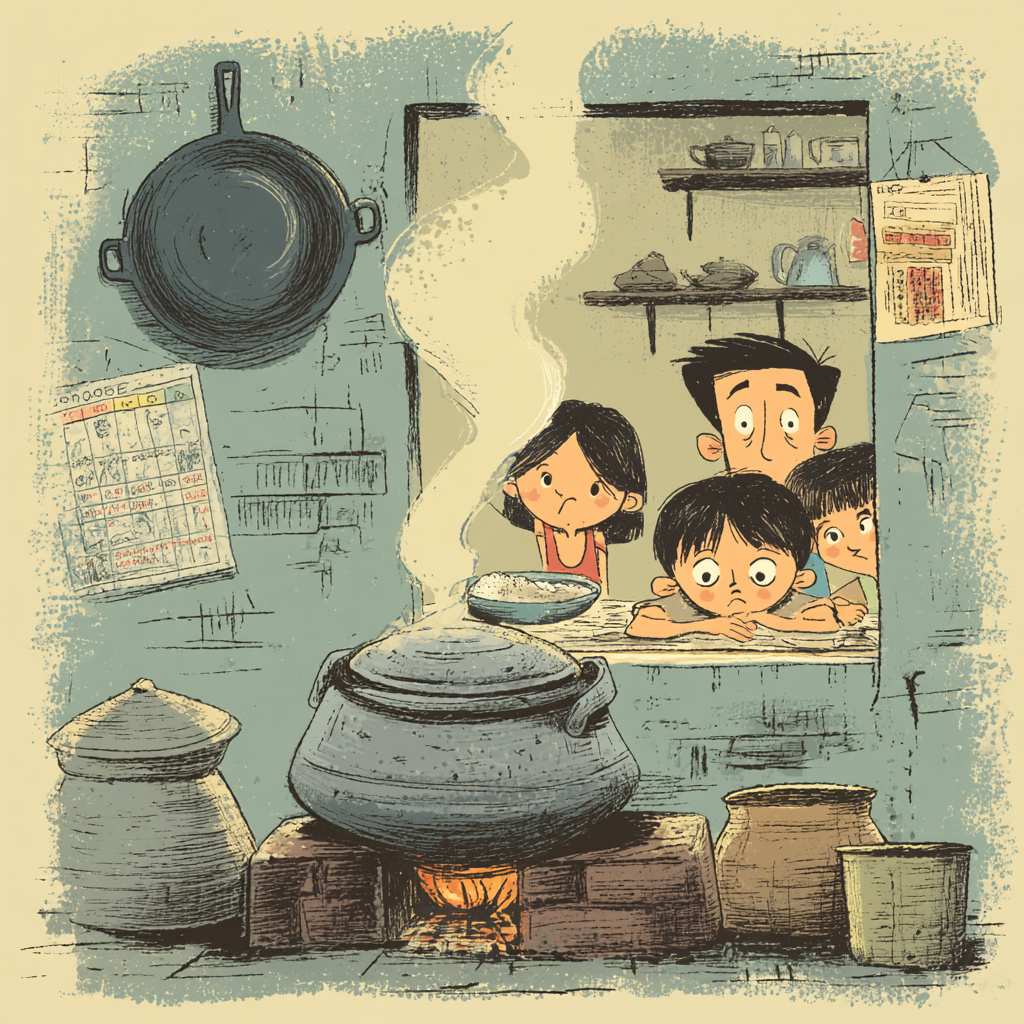
The first sound is not the boil. It is the soft knock of clay on the stove ring as someone settles the palayok over steady blue flame. Steam creeps out from the lid’s crooked edge. Inside, the rice lifts and falls, grains nudging the side of the pot with a soft, wet tap. The whole kitchen smells of earth warming up. On one shelf sit bright metal pots and a single glass pan. On the flame sits only one thing. A Filipino clay pot, dark from years of smoke.
For many elders, that clay body is older than any branded pan. The palayok came from a town known for mud and kilns. Someone’s parent rode a bus home with it on their lap, guarding each bump in the road as if they were holding a sleeping child. In some houses the Filipino clay pot once lived directly over uling in the yard. Three stones held it up. Smoke soaked its sides. Children watched fire eat through santol branches while neighbors wandered in with news and borrowed salt.
Cooking in a Filipino clay pot pulls a cook close to time. Flame must stay low. Rice at the bottom scorches fast when attention drifts. One eye stays on the fire, one hand turns the pot by its warm, rough handles. Stirring feels slower. Clay asks for patience. At first it seems stubborn, slow to respond to the flame. Later you turn the knob to off and the heat refuses to leave. Soup sits inside and keeps its warmth. Salo-salo starts when both food and talk feel ready, not when a timer speaks from the stove.
In many indigenous communities, earthenware once stood near the center of ritual. A Filipino clay pot might hold the first rice of the harvest. Steam rose as quiet greeting to ancestors and unseen companions. In some upland barangays, elders placed a clay pot of tinola or plain rice near a small altar, calling the names of kin who had passed on. Clay marked a line between hand and flame, between this afternoon’s meal and the worlds remembered. Metal jars hold liquid. Earthen vessels often hold presence.
Language still keeps some of this in its corners. We say nakikikain, eating along with a host, as if a guest steps into a circle already drawn around the pot. The circle once formed around the dapog, the outdoor hearth. A Filipino clay pot sat in the middle. One person fed the fire. Another washed leaves. Someone pounded spices. Children fanned smoke away from an elder’s face. The pot waited while each person claimed a small role. A household was not a lone cook over one shining pan. It was a ring of bodies moving in and out around clay and flame.
When metal became common, the rhythm changed. Aluminum pots boiled water faster. Steel promised to last longer. With liquified gas, cookfires moved indoors. Walls stayed cleaner. Shirts went back to the cabinet without the smell of smoke. Daily life felt lighter in some ways. At the same time, a small link loosened. A Filipino clay pot rarely sat on gas flames for long. Some cracked under the new, steady heat. Others retired to corners of the yard, filled with soil and oregano. Their years with food ended without much ceremony.
Non-stick cookware shifted the scene again. Surfaces turned dark and smooth. Handles grew thick and padded. Lids turned into clear glass. You see your own face above sinigang while you scroll on your phone. Heat spreads fast. Food slides in and out with little residue. Washing takes a few minutes. The pan dries and goes back on its hook. Work feels efficient. At the same time, there is less reason for anyone to stand nearby and tend. Flame no longer needs feeding. Clay no longer needs patience. Cook and vessel no longer lean on each other in the old way.
With a Filipino clay pot, the cook listens as much as they look. Water hitting hot clay sounds muffled, padded, unlike the bright ring inside steel. When ginger and garlic drop into oil near the bottom, the scent climbs slowly, then settles thick in the room. The sound deepens as rice takes in water. These small shifts guide the hand. When to lower heat. When to add greens. When to call children in from the street. Newer pans trade those quiet signals for a simple beep from the stove or a notification on a screen.
Earthenware also holds stories in its body. Thin cracks trace the rim from years of tapping a metal ladle. One side darkens more, in the direction of the usual fire. Soot outlines fingers where someone grabbed it in a hurry. On the base, names sometimes sit in shaky marker. Para kay Nanay. Regalo ni Lola. The Filipino clay pot is not only a tool. It is a small archive. When it leaves the stove and an anonymous metal pan takes its place, that archive loses the daily stage where its stories slip out again over rice and broth.
In community events, traces of the old circle return. During barrio fiesta days, large palayok line up over brick or stone. Volunteers from different families share one long row of fire. Stirring stew turns into conversation across pots. Youth groups cook arroz caldo in earthenware for feeding programs, partly for taste, partly to make a point. People pose for photos holding a Filipino clay pot, arms straining a little from the weight. The image travels online as heritage symbol, trimmed down to one square frame. What once sat quietly on a weekday stove now appears dressed up for culture nights and small tourism posters.
Inside city condominiums, space for smoke and ash keeps shrinking. Building rules forbid open flame on balconies. Clay cracks on induction tops. A few cooks still try to keep the thread. They set a small palayok over a gas ring on special days and hope the base holds. They simmer laing slowly until coconut milk clings to gabi leaves and to the clay sides. Children ask why this pot looks rough, why it needs more watching. The parent answers from memory, mixing taste and story in one quiet lesson at the stove.
To cook in a Filipino clay pot today is to accept work that feels a little heavier. You spend more time watching the flame and scrubbing the soot. You notice the chip near the rim and think about it each time you lift the pot. In return, the kitchen gains a thicker kind of time. Neighbors who smell smoke drift in with questions. Relatives tease each other about who still knows how to manage flame for clay. A single pot pulls people near again. Not every house has the room, money, or patience for this choice. Yet each time someone lifts a palayok from storage and sets it on fire, a small refusal of silence takes shape.
The circle around food in the Philippines never fully disappears. It stretches, sags, pulls tight, depending on the tools used and the speed of the day. A pan with a synthetic coat fits rushed nights and small stoves. A steamer over metal handles puto or siomai for a crowded corner stall. In another cramped kitchen, a lone Filipino clay pot sits near the sink, edge chipped, bottom scarred with black. On some weekend, someone will reach for it again. They will rinse off dust, check the crack at the base, and set it over a careful flame. The clay will warm, slowly. People will stand around to wait. Talk will start from there.