She lifts the lid and heat rises fast—vinegar sharp, thick on the tongue. The smell carries past the counter. A man two spots back shifts forward without meaning to.
Maria nods. “Fresh batch,” she says.
She uses a wide spoon to stir the tray. Soy darkens the pork, puddling under buttery fat. Laurel leaves cling to the chicken bones. The pot behind her rattles once.
We’re maybe twelve feet from the street, but the fog stays outside. Inside, it’s steam and fluorescent light. Overhead, a plastic banner says Hot Meals Sat–Sun. The paper taped to the sneeze guard lists three rules: No Refill. No Cash Refund. No Phone Order Past 2:15.
A woman ahead of me points with her eyebrows. “Adobo, extra sauce. No rice.”
Maria nods, already moving.
Behind the counter, she works quickly. Tubs of vinegar under the sink. Dark soy in a repurposed water jug. Garlic in net bags. Over her shoulder hangs an apron so old the straps have gone soft.
Someone at the back says, “You use Datu Puti for this?”
She keeps scooping. “Sometimes. Depends what’s on sale.” She pauses—holds up the jug. “This week? Unknown brand. Good enough.”
Taps the ladle, closes the lid.
“Ina-adobo mo, not just ‘ginisa with toyo.’” She says it like a shrug. “It’s the cooking, not the label.”
The queue doesn’t flinch. They’re used to it—these small adobo declarations. Most of the regulars grew up hearing different versions. Some repeat stories about how their grandfather browned the meat first. One nurse here always asks if the chicken legs are from the drum or thigh. A kid once requested his portion without bones and sugar, “like the real kind.”
Maria raised an eyebrow but packed it anyway.
“Real kind,” she muttered, “according to who?”
Someone online always has an answer.
“You didn’t brown it? That’s not adobo. That’s soup.”
“Adobo doesn’t need sugar. That’s for banana ketchup.”
“No laurel? Then it’s just pork with vinegar.”
The screens are full of rules. Someone posts a photo—stew, rice, sliced egg—and the thread unravels. Fifty comments later and no two pots look alike. Still, each person insists: theirs is correct. Or their lola’s. Or their province’s. As if the salt and sour drew a boundary you had to stand behind.
Here in Daly City, the argument arrives on paper plates. You hear it inside the car after pickup, at dining tables in basements that smell of laundry. You taste it when someone claims, “close, but not quite.”
Down the block, Isla Kitchen does a version with tamarind.
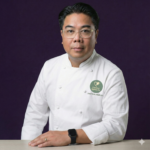
“Old Cavite style,” Chef Darwin tells me, turning a slab of pork belly in the pan. The rind crackles. “I brown first. No vinegar until later. Smoother that way.”
He lifts the meat. Cuts through an edge. “Some people want the shock—straight suka. But I like caramel notes under the acid. Problem is, they taste it and say it’s wrong.”
“Wrong how?”
He grins. “They want memory, not flavor.”
He arranges the portions carefully, overlapping pieces against soft yellow rice.
“Funny thing,” he says, “none of us use measuring cups. But we all think there’s a right way.”
At the grocery, no plates—just boxes, folded and taped. Adobo and rice. Or adobo, pancit, and one lumpia if it’s early enough. You get a fork if you ask.
A young man in a Warriors hoodie stands ahead of me. He hesitates before speaking. Then: “You have the brown adobo—the thick one?”
Maria nods. “You mean the Cavite version?”
He shrugs. “My dad calls it that. It’s what I grew up with.”
She pulls a tray from the back. The meat is darker. No bay leaf. The sauce clings like reduced glaze.
He nods fast. “That one. That’s the one.”
She packs it slow, wiping the rim, sealing the edges with practiced hands.
“I did a Pampanga style last week,” she says softly. “No one touched it.”
“Too sweet?” I ask.
“Too light. Too bright. They say it feels wrong.”
There’s no judgment in her voice. Just curiosity. Like she’s mapping another rule.
I ask if her own family had a fixed version.
She smiles. “My mom had three—Depende sa pera. Vinegar helped stretch scraps.”
She flicks the spoon against the tray.
“If it lasted three meals, it was good adobo.”
Later that day, someone calls.
“May patatas?” a voice asks.
“No po,” Maria says. “Today’s batch walang patatas.”
She hangs up, then grins. “That Tito in Toronto—he calls every Saturday. Says it’s not adobo until there’s potato inside.”
She opens the adobo tray, swirls the sauce gently, and leans in.
“I wonder if they had it that way back home, or if they added the potato abroad.”
The front door squeaks again. Fog seeps in on their shoulders—still people coming, even near closing. At 3:45, Maria flips the sign to say “CLOSED.”
One last box sits on the scale.
Maria wipes the lid with her sleeve. No garnish. No label. Just weight in grams and pieces counted by eye.
She slides it across. “Taste it,” she says. “If you feel something—like warmth or being remembered—it’s adobo.”
I take a bite. Pork first—soft, salt-forward, edges curled from boil. Then the garlic. Then the hit of vinegar that sits right behind the teeth. No fireworks, just recall. The kind that sits with you into the next meal.
Behind me, someone else orders. The pot rattles once more.
Maria doesn’t look up. Just works the spoon with small, even motion.