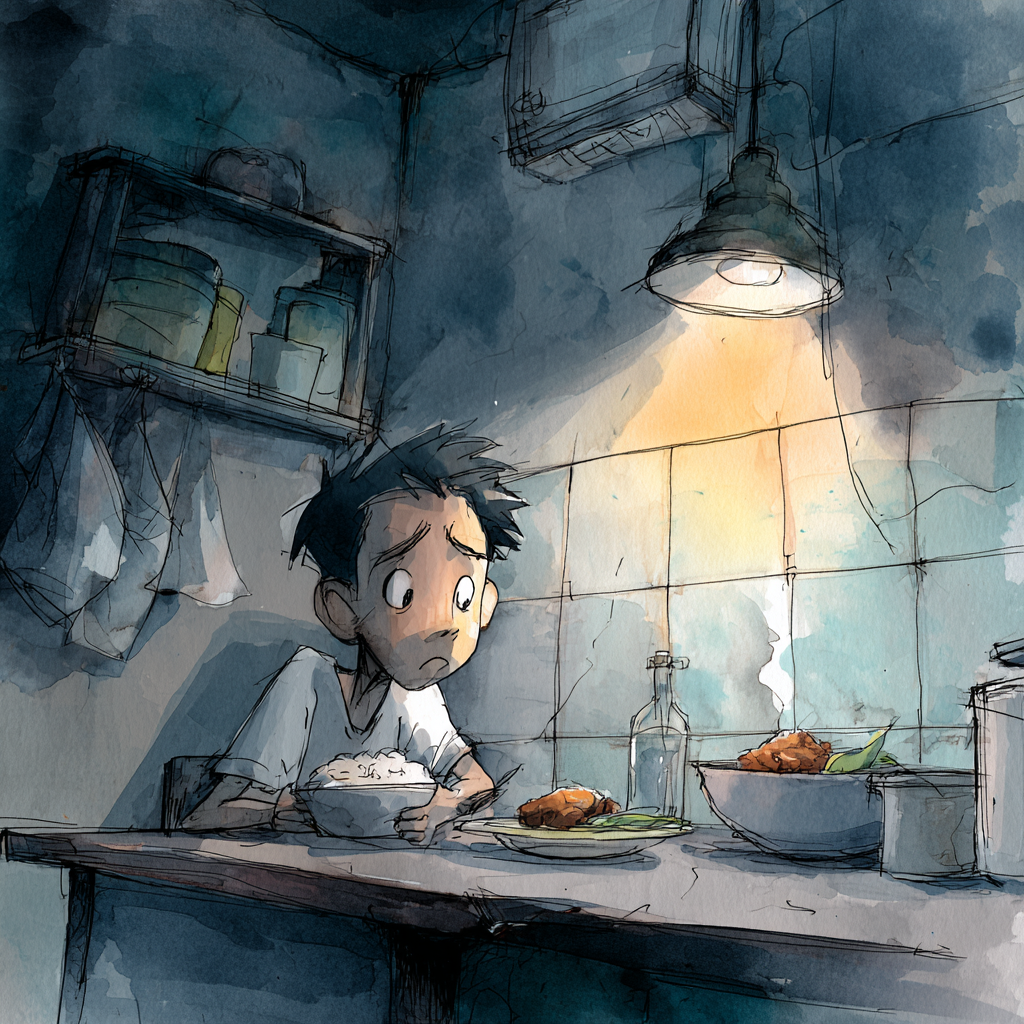
Lid pops. Steam rises, settles on rice cooled at the edges. A spoon crosses the plate. Two adobo pieces near center—sauce dried where metal touched. Three other plates washed hours ago, stacked by sink catching light from overhead bulb. Down the hallway someone coughs. Motorcycles pass outside. A television murmurs below.
She runs the stall near the corner where pavement turns uneven. Evening comes and they arrive one or two at a time. Company shirts worn with names stitched small above pockets. Slippers slide on concrete floor. She points toward what cooks ready under cover. Chicken steaming. Fish wrapped greased paper. Vegetables limp from heat. Point here, point there. Turo-turo wraps in newspaper warm against palm walking away. Chairs stay empty near counter scratched from use. She stopped offering them months ago.
Her fingers count bills folded tight with creases worn smooth from handling. Sometimes customer asks extra rice. Sometimes less sauce on top. One man comes five times each week Thursday Sunday same pork belly white rice two spoons placed beside portion. He eats alone. Her voice carries across narrow space between tables. Hunger has size weight shape. It lives inside bodies moving through rooms where strangers sleep upstairs. Night brings him to downstairs sink where tap water runs dry. Water from pail kept by door fills basin. Towel blue cloth frayed at edge scrubbing plate clean. Families bring fresh laundry twice monthly washing towels with clothes in plastic baskets.
Kamayan means eating with bare hands, books say somewhere else. Fingers gather rice from shared banana leaves palm pressed flat against spread. Bodies gather close shoulders touching elbows within reach. Feasts meant for more than one person dishes passed between waiting hands. Doreen Gamboa Fernandez wrote this before dying. Simple acts recorded as history worth keeping ordinary meals treated as artifacts preserved behind glass. Reading her work makes loneliness older than memory measured in spaces between bodies never arriving at table.
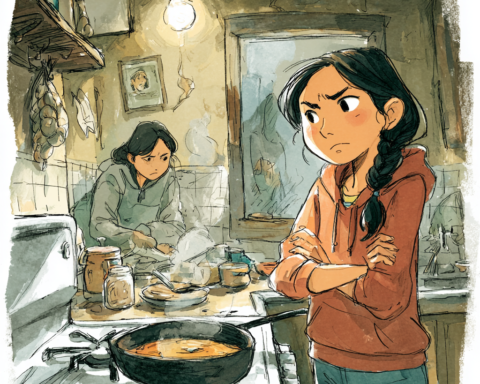
One burner works mornings igniting with click small flare flame appearing. Another needs repeated striking three four attempts until gas catches yellow light steady. Monthly rent includes some cooking charges extra beyond limits. Cook once eat twice leftover portions sealed containers stacked behind jars of soy sauce vinegar upper shelves. Pan sits quiet near window dust along rim where sunlight hits. Twelve minutes walking each way alleys narrow dogs sleeping stretched walls during afternoon heat. Steam settles into clothes carrying smell garlic oil lingering through morning shower.
Silence heavier eating at carinderia among other customers speaking chewing loudly. Someone calls cousin name across gaps between tables. Steam fogs glass display case above counter wiped clean hourly. Spoon moves lifts returns without pause watching reflection in darkened window face tired eyes fixed beyond plate itself. Moment you look part of room visible to passing people. Then finish wiping mouth with paper napkin stepping into corridor disappearing among crowd heading buses motorcycles waiting outside gate.
Morning brings leftovers transferred smaller box lunch later shade tree far from concrete buildings block. Workers gather pairs sharing cigarettes passed hand to hand fingers stained slightly yellow. Salaries compared quietly supervisors standing nearby listening. Weather forecast asked about radio nobody remembers clearly. Rice cools quickly wrapping intact longer expected. Eating happens fast before afternoon shift bell ringing sharp factory grounds. Stomach stays full until evening sun setting behind buildings painted faded colors years exposed weather.
Night repeats routine without variation appearing. Plastic container opens releasing trapped heat smell remaining sealed packaging. Two bites fork pauses suspended mid-air over remaining portion uncertain more eaten. Tenant from floor above shares wall thin gaps allowing sound travel rooms. Another buying one plate tonight walking same path corner stall returning identical times each evening. Invitation offered quietly hallways tenants avoiding eye contact mornings laundry lines filling balconies wet cloth drying slowly. Shame arrives before answering possible sitting kitchen table shadows stretching long single bare bulb overhead. Question exists meaningfully spaces unsaid without needing spoken aloud.
Filipino food brings communities together according to books interviews researchers conducting surveys marketplaces. Ninety percent feel belonging sharing traditional dishes family gatherings holidays celebrated annually. Statistics mean something measured questions asked strangers clipboards held. Numbers live far from room where spoons clink against empty walls echoing absence clearly heard. Far from building housing three hundred people upstairs separate units never meeting sharing stairwell daily. Far from stall woman remembering each face well enough preparing favorite orders told yet never learns full names birth.
Counter gets wiped clean rag stained years cleaning grease spills accumulated daily. Another day ends gradually last customers collecting bundles departing home-bound. Tomorrow comes dishes reheated stainless steel pots warming portable burner underneath covers. Names called familiar faces appear counting bills exchanged quietly ceremony lacking. Hands counting coins returned purchases made regularly months years passing. Customers leave warm bundles wrapped tight carried arms walking buildings lights flickering apartment windows glowing softly night sky darker. Goodbye unspoken nodding barely noticeable departing figures leaving instead. Plastic crinkling softly sound substitute spoken acknowledgment rarely offered nowadays.
Downstairs faucet turns unexpectedly water running. Somebody upstairs remembers. Flow stops. Hands washed. Dishes cleaned. Bed.