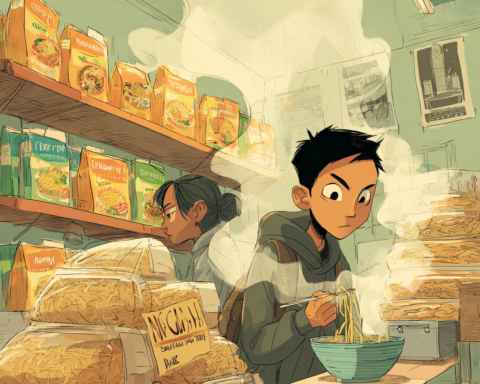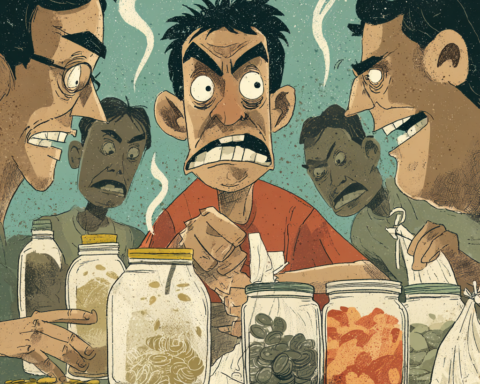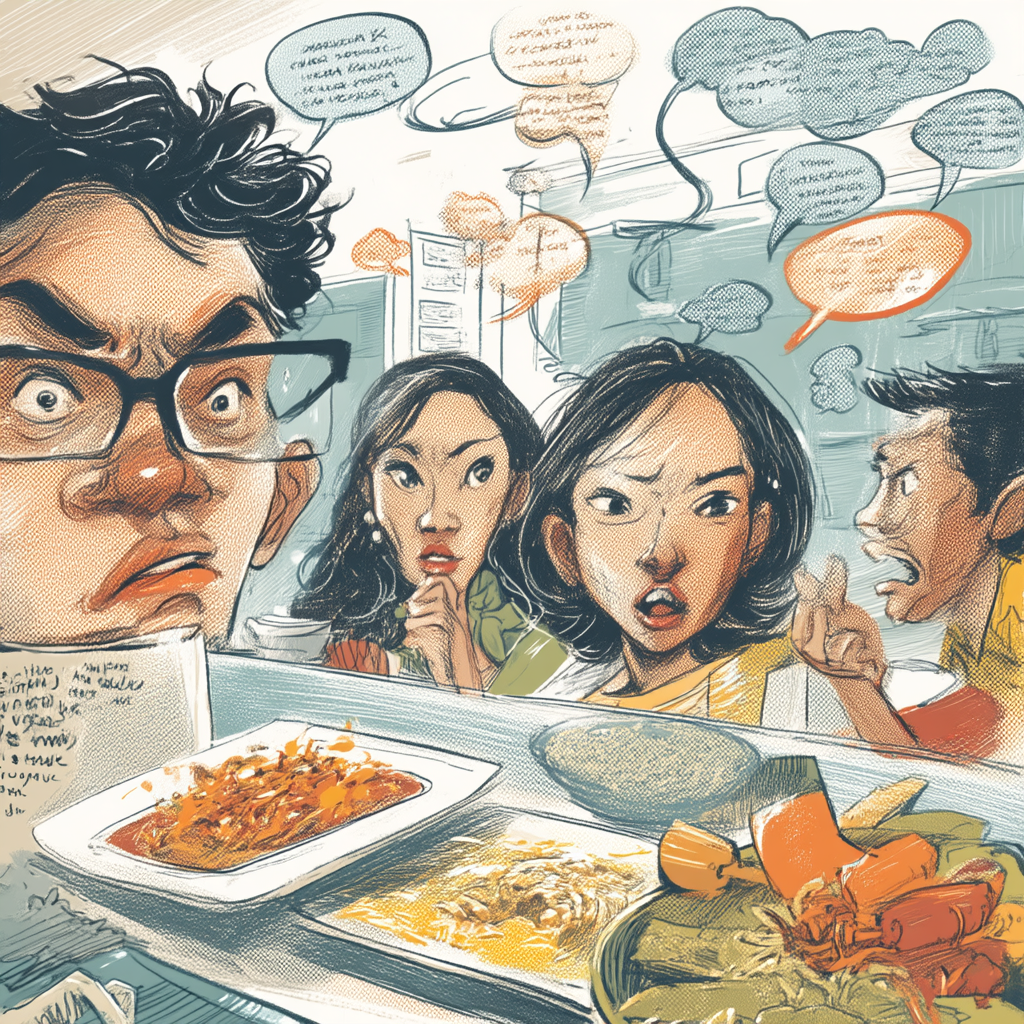
Food inequality smells like hot garlic rice under a heat lamp. Steam on skin. A line that shuffles, slow. Metal trays clang. I reach for sabaw, then for ulam, then back again, confused by the heat, the glare, the hurry. A cheap plate, slick with oil. I taste sweetness, no, salt. Wait, the spoon was used for sabaw. My tongue trips, a small stumble. The body knows the price before the bill.
In a turo-turo, the rule is simple. Pay, then eat. Plate first, story later. Food inequality sits beside the cashier, calm, counting. A family studies the math of rice to viand, kanin to ulam, silence doing the calculation. The rule bends for a child, a little more sabaw to stretch the meal. It works, then it doesn’t. The rice swells. Hunger shrinks. The math stays.
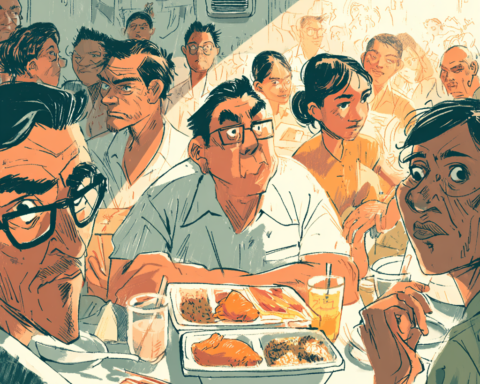
I remember a cousin’s birthday in a mall buffet. The sign said eat all you can. The staff said two-hour limit. The body said slow. We piled lechon kawali, pancit, gelatin cubes. Plate after plate, line after line. Food inequality stood by the carving station like a guard. The good meat required timing. Late and you got scraps, early and you looked greedy. I reached too fast. Self-correction. I slowed my hand, acted casual, tried to appear as if appetite was culture and not fear.
Across the city, a restaurant served a twelve-course degustation menu. Reservations, soft lighting, hushed voices. Food inequality entered invisible, sat in the margins of the menu where prices hid. A spoon of kinilaw on a shell. A dot of bagoong perfumed with calamansi zest. Beautiful, yes. Small, yes. Contradiction. The dish spoke of sea and labor, yet its price forgot the fisherman entirely. Or I forget, then remember, then forget again.
At the buffet, abundance is policy. At the tasting room, scarcity is design. Both teach appetite. Both discipline the body. Food inequality writes the lesson. How much rice is respectable. How much silence is required. How much story the server will hear before the next table arrives. We pretend choice is free. It costs time. It costs a jeepney ride. It costs the courage to ask for more sabaw and not blush.
The eat-all-you-can buffet promises fairness. Same price, same table, same rule. Still, not quite. The able stomach wins. The quick hand wins. The person who knows where the fresh batch comes out wins. I once hovered near the kitchen door, half ashamed. Strategy, I told myself. Scavenging, another voice muttered. Food inequality does not shout. It whispers in tactics. It trains us to act small, then calls it thrift.
Tasting menus tell a different tale. One seat, one sequence. No rush, a script. A server explains provenance in clean phrases. The farm is named. The salt is named. The history is named, selective, lovely. I nod. I swallow a memory dressed as foam. Food inequality drifts into the room as the unnamed cost of polish. Who polishes, who farms, who fillets, who takes the jeep at two in the morning to the fishport. The room smells like citrus and ease. The alley outside smells like rain and isaw smoke.
In the barrio, lugaw was once pang-mahirap. Thin, warm, forgiving. Today it sells in Sydney as comfort, as wellness, as heritage. I am glad. I am uneasy. The same bowl that signaled lack now signals lineage. Food inequality moves with the label, not the grain. It changes costume, but not its face. I sip lugaw with tokwa’t baboy and feel two times at once. A past of stretching rice. A present of curated memory. Both true. Both rough in the throat.
Buffets reward the bold plate. Tasting menus reward the patient ear. Either way, price leads. The plate follows. Food inequality sits in the way we learn to behave around food. Don’t scrape the tray. Don’t ask for one more bite of the best cut. Don’t mispronounce the imported cheese. I once said gruyere like a guess, then smiled too wide. A small laugh escaped. An unfinished thought, hanging. The server smiled back, kind, practiced, already turning to the next course.
Language marks the line. At the carinderia, you point, you say kuya, ate, and the hand already knows your hunger. At the white tablecloth, you listen. You ask nothing. You trust the path. Food inequality prefers the second room, where silence looks like taste. Where knowledge is plated, not shouted over metal trays. I love both, I do. I also know which room forgives a misstep. The first. The one with steam and clatter and a radio playing OPM too loud for anyone to posture.
A buffet builds a crowd ritual. The big group, the barkada, the practical birthday. We pass plates and gossip and time. We share tricks for beating the two-hour clock. We laugh, we tire, we leave full and slightly scolded by the body. Food inequality leaves with us, still counting. A tasting menu builds a theater ritual. The dim light, the paced entrance of spoons and whispers. We listen for the chef’s voice, clear, orderly, final. Food inequality leaves a different way here, in a receipt that folds like a secret.
History sits under both. Colonial ingredients arrived by trade, by force, by taste. Sugar money seasoned the table. Plantation time organized appetite. Migrant remittances paid for mall buffets, for the weekend splurge, for the photo that proves arrival. Food inequality shaped the routes. Who grew the rice, who boiled the sabaw, who learned to sous-vide, who washed twelve-course plates in the back at midnight. The system keeps moving. We eat on the moving floor.
I once thought this was only about taste. No. Correction. It is about access. About the cost of learning the codes that unlock rooms. About who sets the portion size and who stretches the family pot till payday. Food inequality teaches performance. Smile at the server. Know the carving time. Speak the wine word cleanly. Or shrug it off and return to the turo-turo where the auntie knows your face and adds one more ladle of sabaw without a speech. Two schools. Same teacher.
What to do with the lesson. We could argue price ceilings or labor shares. We could document provenance honestly. We could bring the buffet’s abundance into the tasting menu’s story, and bring the tasting menu’s attention into the buffet’s line. I want a room where a fisherman’s name stays on the menu. I want a line where no one strategizes by the kitchen door. Food inequality will not vanish tonight. Still, we eat together. We look up from the plate and see. Then we return to the rice, to the broth, to the simple act of feeding, not solved, not pure, but more awake than before.