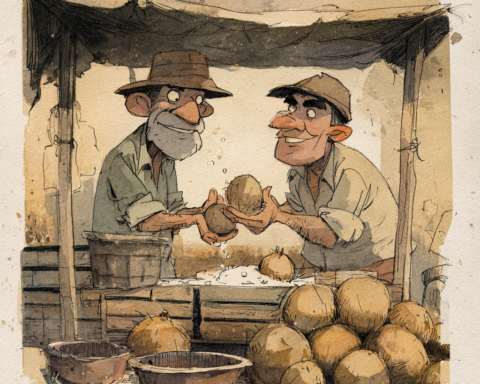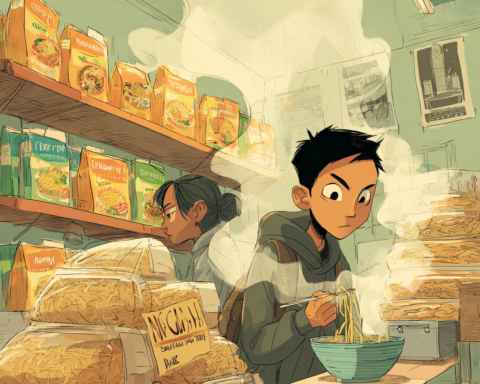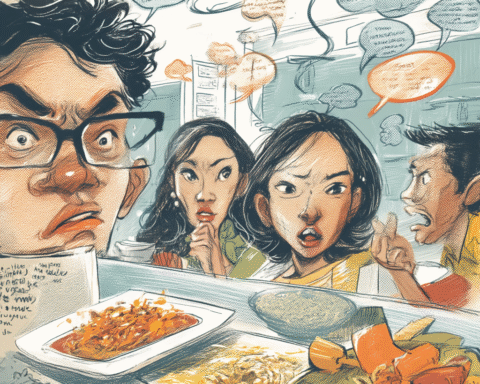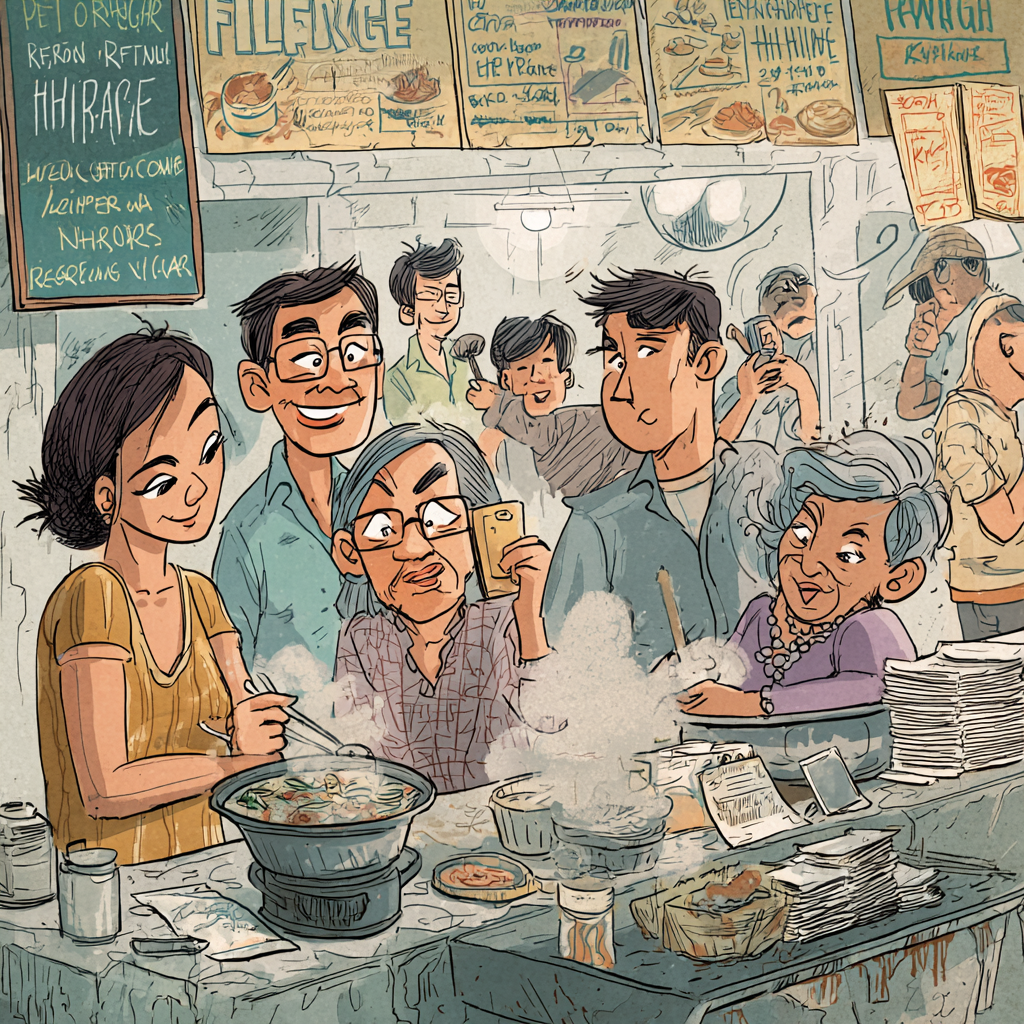
The pot sits on an induction burner, sweating gently under white market light. Laing, thick and slow, clings to a wooden ladle. A blackboard sign leans beside it: “Bicol Heritage Laing Bowl – 450.” Around it rise other stalls, all in muted earth tones, with menus printed on textured paper and fonts that pretend to be handwritten. The line is long. Many phones point first, taste later. The air is thick with coconut and dried fish, the same smell you meet in a probinsya kitchen, while everything around it feels arranged for display. The old house dish now stands on a counter with a price tag and a logo. This is one face of Filipino heritage recipes today.
The phrase sounds gentle. It suggests lola in a faded daster, notes on an index card, a pot that never quite leaves the stove. Yet in the city, Filipino heritage recipes now move through tasting menus, food halls, and seasonal promotions. A dish once tied to a single town or family travels into Manila, framed as regional Filipino cuisine for a broader audience. The story on the menu is brief. “Inspired by a Bicol family recipe.” “From a small town in Ilocos.” The details of place serve as garnish. The price belongs to the capital.
When chefs and corporations speak of “rediscovery,” it often means someone in Manila has decided to pay attention. A stew long simmered in a karinderya near the fish port appears one day, reconstructed in a Makati dining room, glossed with coconut cream, paired with a natural wine. A barbecue marinade from a Mindanao roadside stand returns as a limited-edition bottled glaze. Filipino heritage recipes travel upward, carried by media coverage, by influencers, by the hunger of diners for something called “authentic.” The road back down, to the cooks and communities of origin, stays less clear.
In the province, heritage lives in repetition. A vendor sets up her table at dawn, day after day. Her dinuguan thickens in the same battered pot. Her hands work on memory, not measurement. She knows when the gata has “cooked,” when the salt hits the right edge of the tongue. No one calls it a heritage dish. It is breakfast, lunch, merienda, a way to stretch pork across many bowls. The recipe stays in her body and in the pattern of her life.
Once the dish enters the Manila circuit, it gains a different set of authors. A chef tweaks it to fit city taste and presentation. A stylist arranges it for a photo shoot. A writer compresses its story into three sentences about “revival” and “roots.” A corporation tests versions for shelf life and uniformity. At every step, the price climbs, the portion shrinks, and the origin story grows shorter. Filipino heritage recipes become what the menu and the ad say they are, not what the quiet repetition of home kitchens once held.
Who profits from this trade in memory? Diners take away a feeling of contact with probinsya life. For many urban Filipinos who grew up far from the ancestral town, a bowl of regional Filipino cuisine in a BGC restaurant feels like connection, perhaps even repair. Chefs gain reputation as champions of Filipino culinary heritage. They appear in features, festivals, and award lists. Corporations gain new products dressed in history: “heirloom rice,” “heritage vinegar,” “ancestral cacao.” The numbers on quarterly reports record these gains in neat rows.
The people who first held the recipe rarely see those numbers. A grandmother who perfected pinangat in a small Albay barangay hears, through a niece, a story of a Manila restaurant serving something similar. She feels pride, perhaps. She might also feel a small unease when told her dish now swims in truffle oil. Her name does not appear on the menu. Neither do the years of cooking through typhoons, the hours spent scraping coconut over a kudkuran, the careful budgeting of fuel and time. The recipe has travelled, but not as a shared asset.
This is where the language of heritage meets the harder word, patrimony. Heritage sounds soft, domestic. Patrimony sounds like law, title, claim. When Filipino heritage recipes climb into the market, they move beyond nostalgia into questions of ownership and benefit. Whose labor shaped the dish over decades. Who paid for the practice ingredients. Who supplied the stories now decorating social media captions. And among all these, who receives actual payment when the dish turns into a “heritage set menu” at a hotel.
Formal law struggles with soup. Intellectual property regimes prefer written texts, fixed formulas, clearly named inventors. Recipes here rarely fit. They live in the looseness of “to taste,” in small substitutions that respond to rain, shortages, and the daily price of galunggong. So the law rarely protects the communities that built these dishes. In practice, Manila restaurants and large brands face no barrier when they adopt, rename, and sell Filipino heritage recipes to an audience that trusts their authority.
Some chefs attempt a different path. They travel to towns, sit with home cooks, and treat them as teachers. They pay for time and ingredients. They name them in talks and interviews. Some bring these cooks into the city as collaborators for pop-ups. A few direct part of their profits to local associations or small farms. These efforts remain uneven, often fragile. Still, they hint at a version of regional Filipino cuisine where visibility does not stop at the city gate.
For corporations, the challenge sits deeper. When a national brand builds a line around heirloom dishes in the Philippines, it usually stands in a different league of power from the town or barrio that first cooked them. Warehouses and supermarket racks already sit under its reach, and even the chatter of weekend TV helps carry its products. Acting with care would mean sitting with growers and agreeing to buy from them for more than one season. It would also mean paying enough so a bad harvest does not wipe them out.
For diners, the question feels smaller, but it exists. We order. We post. We praise or complain. We repeat the origin stories printed on menus as if they were full histories. Each time we do, we help fix one version of Filipino heritage recipes in public memory, often the version polished for sale. We rarely ask who cooked it first, or where the ingredients come from, or whether the community named in the menu copy has received anything beyond a passing mention. Yet the price we pay carries the trace of these choices.
Maybe ethical practice around heritage will not appear as one grand law or perfect code. It might look instead like a series of modest habits. A chef who insists on crediting a barangay baker by name. A restaurant that sends part of its earnings back to a cooperatively owned farm growing the rice it promotes as ancestral. A brand that supports local archives and libraries so future cooks can study old manuscripts and notebooks, not rely on an edited corporate story. Each gesture stays small, but together they resist the idea of culture as free raw material for those near media and money.
In the market stall, the line in front of the laing moves along. The staff refill the pot from a metal container, wiping the edges between servings. A group of friends take turns photographing the bowl before anyone lifts a spoon. Somewhere in Bicol, another pot of laing simmers over a charcoal stove, stirred without ceremony. Between these two pots stretches a whole economy of taste, memory, and profit. The steam smells the same. The story around it does not.