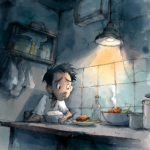
The rice on the lowland table did not follow me to Apayao. In its place, a small bowl of tiny grains waited, steamed till each bead held its shape. The hostess named them millet and sorghum, lifting the lid so I saw the steam rise. The air outside felt thin on the lungs, cool and a bit wild. Smoke from the kitchen fire settled into my clothes, carrying damp earth and the slow, nutty smell of the pot. For this village, ancient grains Philippines sits on the table in plain bowls.
An Isneg elder sat by the doorway, legs folded, palm on his walking stick. He spoke of years when rain pulled late and rice sulked in the paddies below. In those seasons, the uplands leaned on these ancient grains. Millet quick to rise after the first break of ground. Sorghum steady under wind, its heads full and heavy above the steep slopes. Before rice filled sacks in town stores, the upland plate in Apayao held these seeds of patience.
Cooking began long before the flame. In the yard, women rubbed millet in flat baskets, a dry rustling that matched the sound of bamboo outside. Chaff rose in pale bursts with each toss. Sorghum passed through rough hands that checked for stones and stray husks. The work looked simple from a distance. Up close, each movement carried knowledge stored in the body.
When water met pot, the rhythm changed. One elder counted without numbers, by memory of how the grains drank and swelled. No measuring cup, only a line on her knuckle from years of practice. She spoke of her own grandmother, who once mixed millet with wild root crops when harvest fell short. In her story, hunger did not come as an empty plate. It came as thinner porridge, more water, less salt.
The phrase ancient grains Philippines rings through this kitchen like an echo from outside. Researchers and chefs speak of it in reports and workshops. Here in Apayao, the words stay unspoken. For the Isneg elder, millet is not a revival. It is breakfast. Sorghum is not a trend. It is a promise that the next drought will not empty every granary.
On the slope above the house, a field holds millet at different stages. Some patches green and tender, some tipped with straw-colored heads. Children trail after an older cousin, who shows where wild pigs once rooted along the edges. The field looks modest beside lowland rice terraces. Yet, in each small rise of earth, another story of ancient grains Philippines waits underfoot.
Millet in the Philippines carries many names. In some provinces, kabog millet once filled rice cakes and breakfast porridges. In Apayao, millet holds its own place, shaped by mountain soil and river mist. Each bowl on the Isneg table links to fields that climb rather than spread. In these bowls, ancient grains Philippines appears without ceremony.
Sorghum in the Philippines follows a similar path, slightly outside the frame of the usual meal. Some farmers plant it along borders, a hedge against erratic seasons. Heads sliced and dried hang in kitchen rafters, slowly losing color as months turn. Elders speak of chewing the fresh grain as children, sweet at first bite, then firm between the teeth. Their stories fold sorghum into the wider thread of ancient grains Philippines that runs through upland life.
Language hints at this quiet presence. Lowland words for meals lean toward rice. Kain na often stands in for rice itself. In upland Apayao, the call to eat might meet a plate that holds sorghum, millet, root crops, and greens from nearby slopes. Rice appears, though not always in the lead role. The Isneg elders speak of before rice as memory, not nostalgia.
Upland farming in Apayao does not separate field and forest in strict lines. Millet grows beside banana, under fruit trees, near patches of root crops. Sorghum stands near young coffee bushes or along paths used by hunters and foragers. A pot of upland grain seldom stands alone. In the pot, the grain bubbles with torn leaves, thin bits of smoked meat, and vegetables saved from the night before.
At noon they lower the bowl of millet to the floor mat where everyone sits. Grains hold together, firm yet tender. The taste pulls in slow. I raise the spoon and taste before any thought forms. The grains land warm and slightly coarse on my tongue. I catch a quiet nut flavor, then a small sweetness that shows up late. After a few spoonfuls I stop eating and lean back. My stomach feels full and quiet. On my right is a small bowl of cracked sorghum with dried fish and a few tiny shrimp.
People who write about ancient grains Philippines often talk about nutrition and climate and projects. Elders in Apayao speak first of labor, then of taste. Millet forgives late planting. Sorghum endures wind and short rain. These grains demand attention at harvest when each head needs cutting by hand. Yet they also repay effort with storage that lasts through long wet months.
In one corner of the house, a clay jar holds seeds for the next cycle. No label, only a shared memory of which grain came from which field. An elder points to the jar and traces a line in the air from grandparent to grandchild. Seed, story, and recipe travel together.
The wider story of Philippine millet and sorghum often unfolds in conference halls and project reports. In Apayao, details take another form. A child who refuses rice yet finishes a bowl of millet porridge. A hunter who prefers sorghum cakes wrapped in leaves.
Even in this upland village, rice creeps in through trade and subsidy. Parents speak of school feeding programs built around rice and instant noodles. Millet and sorghum slip from daily meals to occasional dishes unless someone insists on planting and cooking them anyway.
Isneg elders hold that line almost without ceremony. One speaks of her worry when younger relatives leave for work in town and city. Who will remember the right stage to harvest millet for porridge versus grain? Who will keep sorghum seed separate for flour and for roasting?
In the end, the taste of these ancient grains rests not in theory but in how they land on the tongue in a wooden house in Apayao. A spoonful of millet with thin broth on a cold morning. A bite of sorghum mixed with dried fish while rain drums on the roof. The memory stays in the body longer than numbers on a page, and folds into the quiet history of ancient grains Philippines.
On the way back down from the village, lowland rice fields appear again at each bend of the road. Their green spreads wide along the valley floor. In my pocket, a small packet of millet and sorghum seed shifts with each step. Weight almost too light to notice, yet enough to remind the hand where it rests.