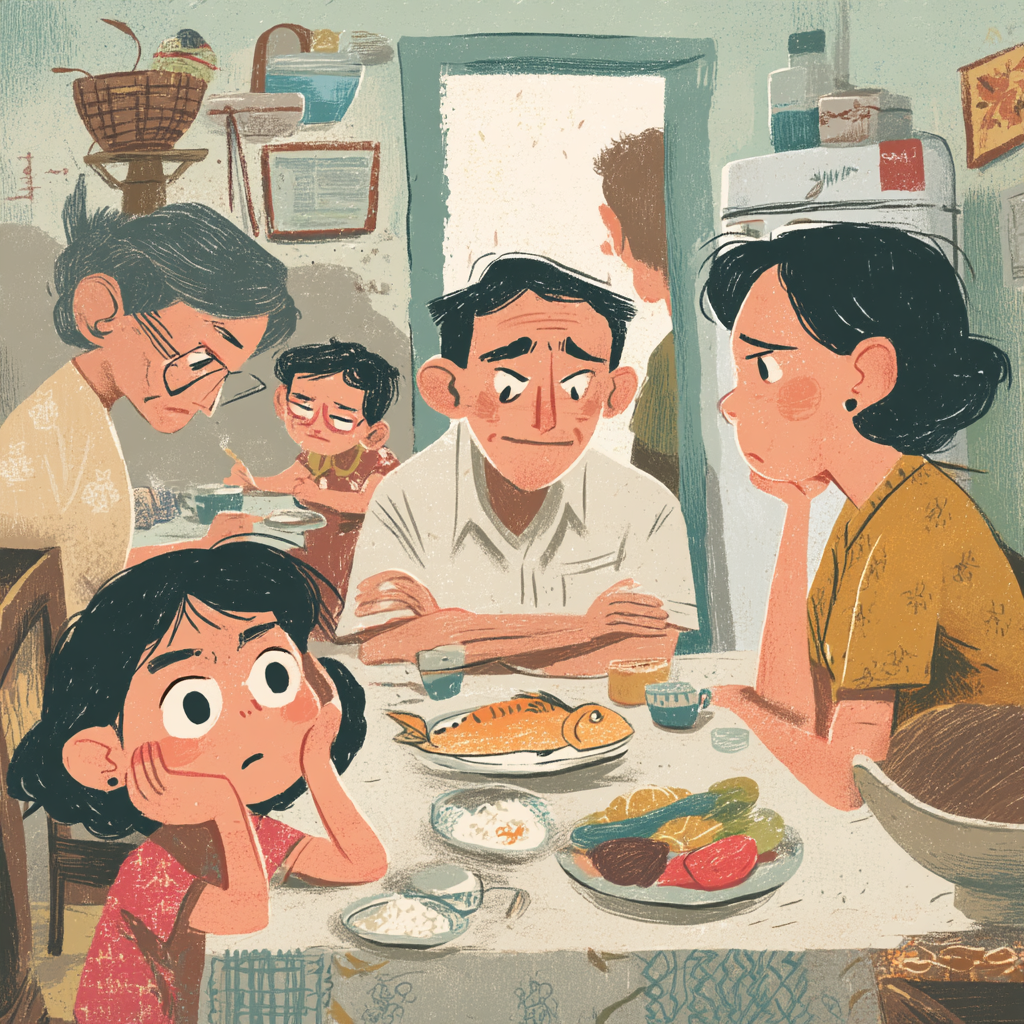
The first time I heard the phrase diabetes and food at our table, it slipped out between the scrape of a spoon and the faint smell of garlic a little too brown. The rice cooker clicked. A fly touched the edge of the tablecloth then left a small circle of movement. No one looked straight at the serving bowl of white rice.
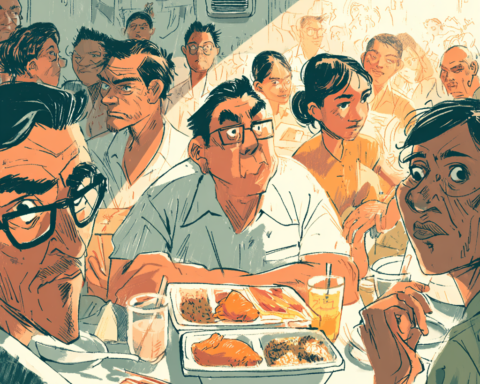
On the table, a white plate. On the plate, half a saging na saba and a slice of fried tilapia, drained on paper that still glistened. Soy sauce with calamansi waited in a chipped saucer. My cousin’s plate stayed half full. He moved the fish around, careful, careful in a way that felt new and strange. The rice mound stayed low, almost flat, like an apology.
The doctor’s words had arrived earlier in the day, on another table, in another room with brighter light. At home, the report turned into silence, into how we spoke about ulam. My auntie began to mention sugar in teaspoons, in hidden heaps, in every food that once felt safe. The topic sounded large, clinical. Yet it hid inside small sounds. Ladle on metal. Spoon tapping on a plate. Someone sighing but not loud.
We started to speak of diabetes and food as if both sat in the same chair. One more guest. Never invited, always present. My cousin tried to joke, said he would live on air and coffee. Then he took a slow sip of kape, black and thin, and pushed away the sugar bowl that had lived beside his cup for decades. The sugar bowl looked lost in the middle of the table. A small, bright exile.
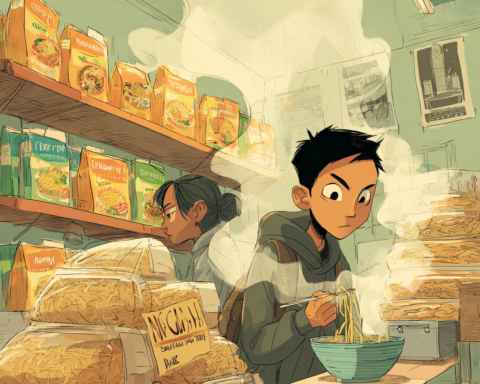
In a Filipino household, rice anchors the meal. Rice waits, patient, in pots, in electric cookers, in refilled plastic tubs from the palengke. After the diagnosis, rice still sat in the center, stubborn. Only now it arrived with new labels. Konti lang. Brown rice daw. Huwag nang mag-extra. The words tried to sound light. They scraped the throat instead, rough as undercooked grains. Sometimes we followed them. Sometimes we pretended we had not heard.
Our family rituals bent in slow, uneven ways. Birthday tables lost their second round of dessert, then their third. Leche flan portions turned thin, more air than custard. Someone brought kare-kare with more vegetables, less sauce, almost no fat floating on top. We said it tasted fine. Then someone added bagoong anyway, a small rebellion, a salty memory of how the dish once looked and felt on the tongue.
Here is the contradiction. We wanted food to heal, and we wanted food to stay the same. We wanted diabetes and food to live in separate rooms. Yet we folded them together on one plate. A bowl of tinola without skin still smelled like comfort, like childhood sick days and soft chicken. At the same time, each spoonful carried a quiet calculation. How many cups of rice later. How much walking after dinner. How far to push luck.
Sometimes the diabetic meals felt less like dinner and more like being scolded, even when all of us shared the same plate. The fish arrived steamed, quiet, where it used to land on the table crackling from hot oil. Ampalaya with egg sat in the middle, a little watery, smelling almost gentle at first then, no, there it was, the bitterness pushing through and staying in the mouth longer than anyone wanted. The kitchen smelled clean, almost bare. Less oil, less smoke, less drama. I remember tasting one piece of ampalaya and thinking it smelled sweet first, no, that is wrong, not sweet, more like damp leaves on hot metal. A sensory stumble right in the mouth.
At Noche Buena, the tension grew thick. The table knew its old script. Ham, queso de bola, spaghetti sweet enough for children, pancit, sometimes lechon kawali if the year felt generous. That first Christmas after the diagnosis, my auntie placed a large bowl of fruit in the center and said, a bit sharp, that this year we would think of health. Then she brought out regular spaghetti anyway. Red, sticky, covered in hotdogs. Habit walked faster than advice.
We tried to build new rituals without saying the word ritual. One small plate of fruit before rice. A walk around the block after dinner, slippers slapping the pavement in an uncertain rhythm. Sharing one slice of sans rival instead of three. These were tiny edits to a long script of Filipino family eating habits. They felt both heavy and weak. Some nights we followed each step. Other nights the old hunger spoke louder. It said dagdagan mo pa. It said sayang.
Inside this push and pull, diabetes and food shaped our speech. New jokes appeared. Half fear, half tenderness. Someone would say, Uy, bawal yan kay Kuya Gel, then serve him anyway, only less. Or pretend to give the bigger slice to another sibling, then slide a thin piece onto his plate, quick, like a secret. Affection arrived in fractions, in measured scoops. Love learned to use the measuring cup. Then forgot it again. Then remembered. Repeated rhythm. Remembered, forgot, remembered.
In many Filipino homes, illness shifts the center of gravity of the table. The one who needs to avoid sugar pulls everyone into a new orbit. Yet the old dishes still call from memory. The smell of turon frying in afternoon oil. The crackle of chicharon in a brown paper bag from Guagua Pampanga. These memories do not fade on command. The diabetic family meals try to answer them with new forms. Grilled instead of deep fried. Fruit instead of kakanin. The answer feels partial. Incomplete.
Sometimes the adjustments look like care. Sometimes they feel like loss. The same dish turns into a reminder of risk. A plate of puto at merienda sits untouched longer. We start to look at food for its numbers, not only its stories. Yet the stories refuse to leave. They cling to the edges of plates. To the smell of garlic in oil. To the first crack of taho sold in the street while someone inside counts carbohydrates. I almost wrote grams then stopped, because the memory weighs more than that.
In the end, our table did not become a model of discipline. It became a record of trying. Diabetes and food never reached a truce. Instead, they tangled across birthdays, rainy evenings, payday treats, Sunday sinigang. Each meal carried a negotiation between comfort and danger, between habit and instruction. The Filipino family table stayed crowded, even when the portions grew smaller. What changed was the silence inside each bite, thick with worry and care, with hunger and restraint, sitting side by side without neat resolution.