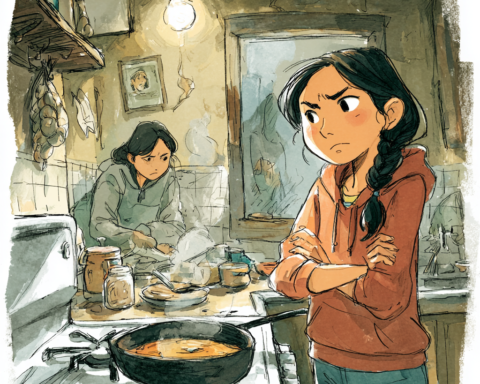
The first smell is always gata catching at the lip of the pot. Thick, sweet, slightly nutty, with a faint scorch where coconut meets metal. In one corner, chopped siling labuyo waits on a plate. In another, a folded clinic printout hangs under a magnet on the ref, warning about LDL, triglycerides, family history. Between the two, a Bicolano kitchen tries to keep Filipino coconut dishes alive while the cardiologist talks in numbers.
On the stove sits laing, leaves dark and sinking into themselves, cooked long with first-press gata. For years the rule in this house stayed simple. When there is gata, rice follows, and once rice lands on the plate, the meal feels complete. A daughter home from Manila now reads from her phone, scrolling through lines on saturated fat, new research on coconut, and what these scores mean for the heart. Her mother keeps stirring, wrist turning from habit built over decades, body moving on its own while the words spill across the tiny screen.
Coconut grew into daily food before clinics and lab slips, along coasts where trees lean toward water and drop nuts into the tide. In Bicol, gata soaked taro leaves, puso ng saging, dried fish, small shellfish, anything cheap and close at hand. Heat from sili cut through the fat, salt kept sweetness in line, and rice with warm coconut tasted like a full meal. Many Filipino coconut dishes rose from this thrift, from families stretching one tree across many plates.
Later another story about fat arrived, written far away then trimmed into pamphlets at barangay health centers. Doctors talk about saturated fat pushing LDL upward, and once the number climbs, they say the heart carries risk. On the page, coconut ends up beside butter in a neat row, circled in soft colors, still a warning. A poster at the barangay hall groups chicharon and ginataang gulay inside one red box. A nurse quietly tells lola with high blood pressure to skip her beloved Bicol Express.
Inside households the clash sits in daily choices. One aunt in Naga still cooks laing with thick first-press gata, pork fat, and shrimp. Her compromise lies in how often the pot goes on the stove. Ginataan comes out once a week, not every day, and the table now holds more boiled vegetables, grilled fish, sliced papaya. A cousin in Quezon City trims pork from her Bicol Express, stretches the dish with sitaw and talong, and trades part of the gata for vegetable stock. She keeps the name, though older relatives joke it tastes like it took the slow train.
Some cooks work inside the coconut itself. They separate first and second press, keeping the richest kakang gata for special dishes or for drizzling at the end, while simmering vegetables in thinner milk. A pot of ginataang kalabasa at sitaw starts with second press. Near the finish, a modest pour of thick gata softens the edges of the sauce. Mouths read it as comfort, yet the total fat slides down. In many kitchens this small move already changes how Filipino coconut dishes land on the table.
Abroad, adjustments land in small rented kitchens. A Bicolano nurse in Dubai says her ginataang langka uses less coconut than her mother’s, stretched with broth and more langka. In Sydney, one Filipino household buys light coconut milk for weekday ginataan and saves rich brands for birthdays. Distance sharpens attachment, while grocery shelves and wellness talks push toward leaner Filipino coconut dishes.
Under these experiments sits a question which rarely leaves the kitchen. At what point does a dish stop being itself. If gata thins out, pork slips away, and heat softens for a cautious stomach, does laing stay laing or turn into leafy stew with coconut in the background. Some elders say recipe change equals loss, saying softer gata bows to foreign taste. Younger cooks answer with bodies in mind. They have seen parents come home from strokes, have listened to angiograms described in waiting rooms. Both groups try to guard life, only with different measures.
If you look back, Filipino food keeps moving. Spanish friars brought leche flan, Chinese traders brought noodles, soldiers brought milk in tins and corned beef, and households folded each new thing into daily rhythm. Coconut itself shifted from milk squeezed by hand to boxed gata from the supermarket, a change shaped by time, labor, price. New versions of Filipino coconut dishes lean on this older habit of bending recipes around what the body, wallet, and kitchen allow.
Doctors list saturated fat in lectures, yet diners still point at sili as if spice might even things out. Some even joke sweat from Bicol Express scrubs veins clean. This sits closer to comfort than to data, yet it shows how people try to place gata inside a body they do not see. Without machines, they read health through pulse at the temple, tightness in the chest, the long stretch of a neighbor’s stay in the ward.
So cooks rework inside limits they trust. They pack more leaves into laing, more sitaw into ginataang gulay, treat pork or shrimp like seasoning instead of base. They grill meat before simmering in gata to draw some fat out, or chill pots overnight and scrape hardened fat from the top before reheating. They scoop smaller servings beside bigger heaps of rice and raw vegetables with bagoong. At fiestas, tables still hold thick, unapologetic Filipino coconut dishes, yet the pattern of everyday meals in between moves around those heavy days.
Change also slides into language. Phrases like pampabata and pampahaba ng buhay follow certain dishes, while others gather quiet warnings in side comments. One hears titos say hospital bills now lean over the menu more than craving. A niece learning to cook asks her lola not only how much gata to squeeze, but also which days of the week feel safe for ginataan for a lolo with diabetes. Tradition moves from fixed recipes toward loose schedules, from hard rules to a shifting truce between craving and caution.
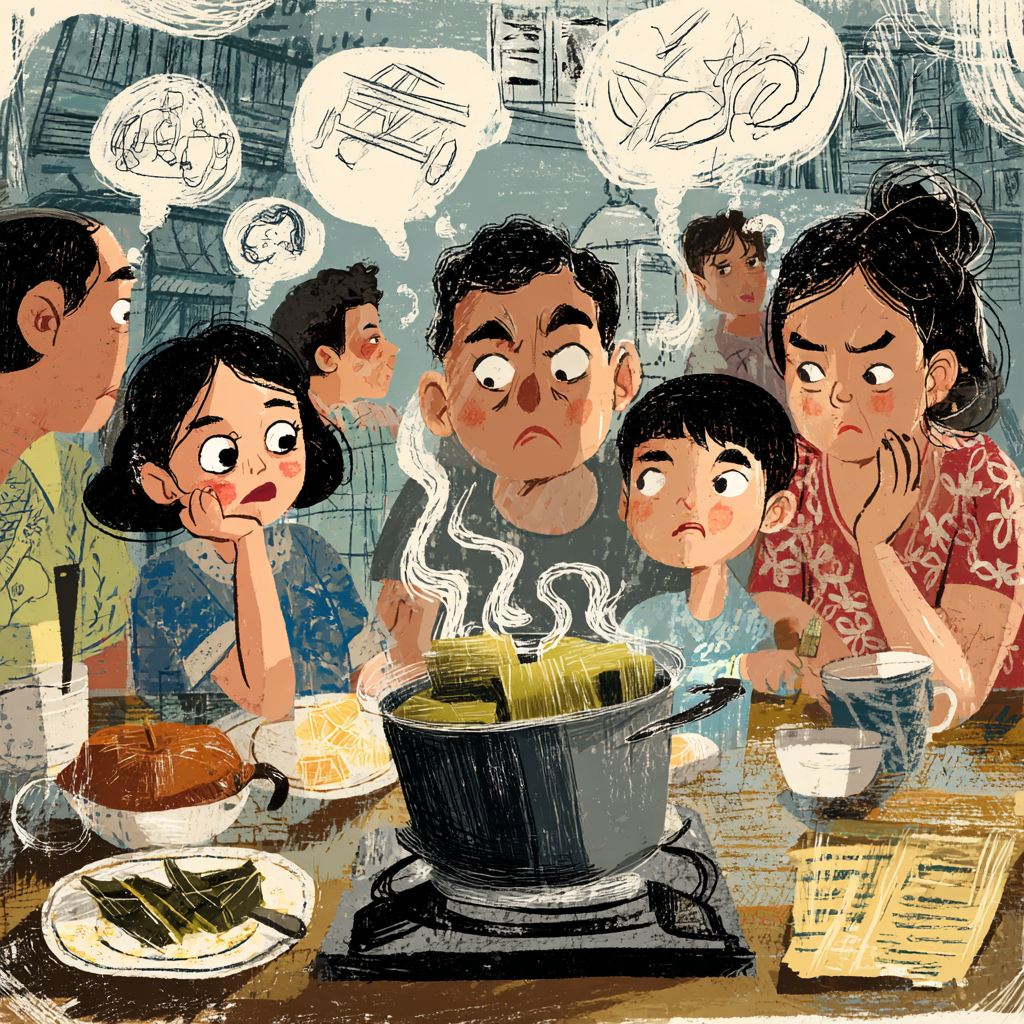
In the end the pot still sits at the center. Rice waits, steam rises, someone stirs. The clinic printout on the ref turns yellow at the edges. Coconut trees outside keep standing by the shore, dropping fruit without interest in lab results. Inside the house, each new batch of laing or ginataang gulay carries another small try at the same old problem: how to hold on to the taste which raised you while staying around long enough to pass it on. She lifts the spoon, tastes, and for now the choice sits in her body alone.