On a long white plate in a Makati dining room, your first serving of Filipino fusion food arrives. You wait for a hiss from metal, for a small cloud of smoke. None comes. There is no cast-iron pan in sight. The burned onion smell that once clung to hair is missing too, oddly missing.
On the menu your eye lands on sisig. Small serif letters. Next to it, the phrase foie gras sits like a dare. Your tongue prepares for calamansi, chopped red onion, rough pork bits with stray cartilage. Instead, the first bite slides. Velvet fat, faint bitterness, a sweetness you do not trust. Salt then sour, or is it the other way around, you lose track for a second. Underneath, a crumble that pretends to be the old texture, like gravel pressed into jelly. Sweet, then sour, then a strange silence on the tongue.
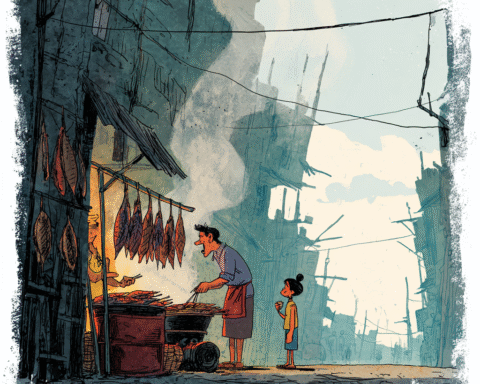
Memory arrives late. A plastic table in Angeles, near the kanto, where smoke from the ihawan scratches the throat. A mound of sisig on a sizzling plate, edges turning crisp, an egg dropped on top, raw then clouded. Cheap gin in cloudy glasses. Ice melts too fast. A tricycle passes, engine too loud for the narrow street. Nothing plated in lines. Everything piled, chopped, loud.
In Pampanga, elders insist sisig began as sour pork for pregnant women, boiled and seasoned, no alcohol in mind. Later, American air bases sent pig heads to Filipino kitchens as scrap. Kapampangan cooks took cheeks, ears, snout, then boiled and grilled them, working in calamansi and soy until the meat tasted sharp and bright. Sold as pulutan, food for drinkers who stretched salary night after night. Waste turned into pride. Pride that still smelled like smoke and sweat and diesel.
Decades later, menus abroad speak of “nose-to-tail Filipino fusion food” with a careful tone. The story sounds heroic in print. Resourceful locals turn colonial leftovers into regional specialties. Diners clap for sustainability and nose-to-tail ethics. The price sits near steak. The pig head moves from canteen table to tasting menu without the jeepney fumes, without the cook who stands in front of the grill for hours with no health insurance and a wet towel on the neck.
You watch a fork glide through the Makati version, sisig with foie gras, and listen to a server narrate. Kapampangan roots, French technique, local citrus reduction. No mention of air bases. No mention of workers in the slaughterhouse who pulled cheeks from bone. Origins thin out in the soft light, trimmed for export, for comfort. Yet the flavour talks back, still stubborn, in the sour under the fat.
Friends say Filipino fusion food helps Filipino dishes enter global dining rooms. They talk about a place in Sydney, another in New York, a cousin in Dubai who posts daily specials. One serves sisig folded into a taco shell, another sends out small adobo buns, somewhere else an ube doughnut wears an English nickname that feels strange in the mouth. For second-generation kids, this brings recognition. They taste home in shapes the new country understands. That feels real. For some nights, that feels enough and not enough at once.
Still, something tightens when a plate of sisig fries costs half a worker’s daily wage in the town where pig heads once went to dog food. When poverty-born dishes rise in price, prestige follows, yet often without the people who carried the dish through low seasons. The cook behind the turo-turo counter does not receive royalties when a hotel brand sells “elevated sisig.” The Kapampangan auntie who sliced ears with a cleaver in a dark kitchen has no stake in the tasting menu. You call it anger at first, no, not anger, more like a slow itch under the skin.
At the same time, you remember how some families scolded children for loving pulutan food. Greasy, unhealthy, pang-barako. Not for daughters, not for decent office workers on lunch break. Now the same dishes sit on white plates beside wine lists, safe under the label of Filipino fusion food. Respect arrives, filtered through price, through language. Respect that often stops at the plate border.
There is a small, sharp discomfort in the first chew of luxury liver against chopped face meat. The fat of foie gras comes from force-feeding geese in distant farms. The fat of sisig comes from animals once thrown away, pulled back into use by households that refused to waste meat. One excess sits on top of another scarcity, layered in the mouth. The ethics tangle on the tongue. You drink water, then beer, then water again. Trying to straighten the taste, failing halfway, giving up for now.
You think of overseas workers who bring home balikbayan boxes filled with chocolates and tinned liver spread, then request sisig at small homecomings. On plastic plates, with paper cups, no presentation. A niece in hospitality school posts photos of Filipino fusion food from her internship, sisig croquetas with foamed calamansi. She writes “proudly Filipino” in the caption, hearts and flags. Pride flows through a dish that once signalled lack. The direction of pride shifts, loops back, tangles. She looks proud and unsure in the same frame.
In some kitchens, younger chefs try to hold the line. They write full credits on menus, mention regions, names of markets, even names of vendors. They pay for better pork, support backyard raisers, bring sisig back to a smoking plate, even inside an air-conditioned mall. This also sits under the same label, Filipino fusion food, though fusion here means patience between generations rather than mashup on a plate. The term stretches, covers too much, feels useful and blunt at the same time.
The Makati plate empties slowly. Your fork scratches porcelain. A tiny charred edge survives under the sauce and comes closer to the sisig from the kanto. For a second, your mouth fills with smoke, onion, calamansi, cheap gin memory. Then the sweetness returns, the imported liver leans in again, and the moment breaks. Hunger mixes with doubt, with gratitude, with a small grief you do not quite finish naming. You start to say it out loud, then leave the sentence hanging.
Perhaps the question is not whether Filipino fusion food is right or wrong. Perhaps the question sits nearer the bill, nearer the payroll sheet, nearer the kitchen door. Who gets paid when sisig meets foie gras. Who eats it as daily food, who eats it as spectacle. Whose story travels, whose story stays near the grill with the flies and the dogs under the table.
You leave the dining room carrying two versions of sisig in your mouth. One from memory, greasy, loud, cooked by women who never entered culinary school. One from tonight, glossy, framed, served with a description in English. Both real. Both Filipino. One never quite explains the other. On the way back to the street your steps drag. Legs feel heavier than they should. You try to blame hunger, then stop, unsure what to name.
Outside a vendor tends isaw and betamax on a small cart. Smoke blows into your face. Your eyes sting and you blink too fast, then too slow, a small sensory misstep. You almost cough, then laugh, then stop mid-laugh. The smell stays. The smell stays when you stand at the curb and look for a ride. It refuses to be plated, refuses to be reduced.