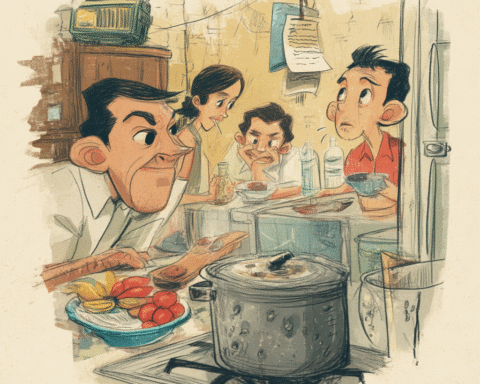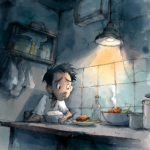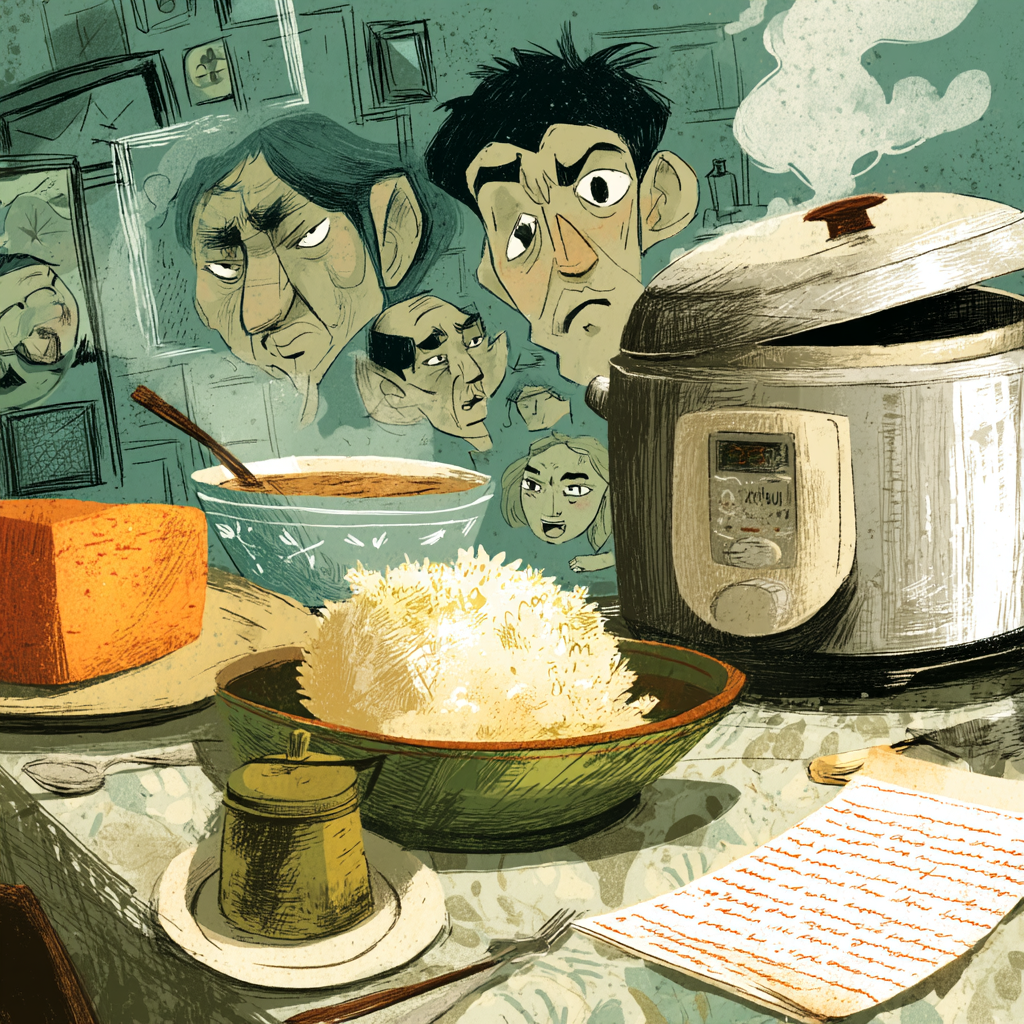
Filipino rice culture begins in steam. Thin, wet, rising. I lift the lid. Steam hits my face, grassy and faintly sweet. My hand flinches from heat. A stumble, quick. Then stillness. The pot clicks as grains settle into each other. This is breakfast, lunch, dinner. Or it was.
I spoon kanin into a small bowl and it domes like a small hill. White, yes, but not blank. I press the spoon to pack it. A habit the wrist remembers. The table holds ulam and a saucer of sukâ. The day starts there. Or ends there. Sometimes both.
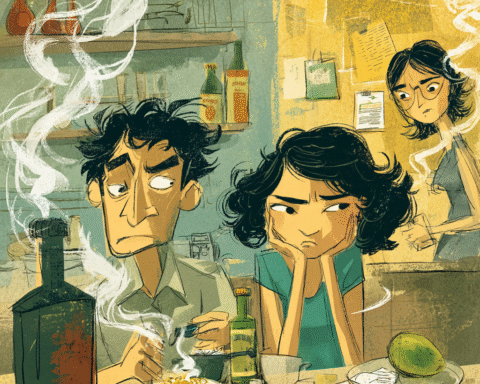
They tell me to try the swap. Cauliflower rice is lighter. Cleaner. Better for the numbers. I taste. It is soft and damp, but it does not clump. It does not hold sauce. My jaw pauses, searching. The spoon comes back empty.
We eat with rice because rice steadies. That is the line I grew up with. And a contradiction follows. Rice is ordinary. Rice is not ordinary. It is the background and the headline at the same time. In the barrio, a sack in the corner. In a ceremony, a blessing. In a lunchbox, bahaw pressed cold, still patient.
Filipino rice culture lives in small movements. Tap the spoon twice to even the bowl. Tuck a bit of ulam against the side so it does not slip. Pour a thin line of sukâ that disappears into heat. My fingers do this before I think. The body knows more than I say. No, let me correct that. The body remembers what the tongue will not admit.
When quinoa arrived in my kitchen, I rinsed the tiny seeds and heard them rattle against the sieve. Like rain on a tin roof. I wanted to like it. I did like it, in parts. The nutty smell. The way each bead kept to itself. But a question sat there, unseasoned. Who am I if the bowl loses its press, its weight, its shine of starch. If sauce slips away and does not hold.
Filipino rice culture is not only about hunger. It is about pacing the bite. Rice gives a rhythm. One spoon rice, half spoon ulam, back to rice. Repeat. A slow metronome. Without it, the mouth moves too fast. Or too shy. The meal scatters. I try to slow down with cauliflower rice. The fork tears it. The spoon gathers, then leaks. Clothes get dotted with sauce. A small mess. Tiny, but it changes how the table feels.
A parent once told me, eat rice so you can work. Energy, they said. But also presence. Rice lets food cling. It carries memory in layers. Scrape from the pot and you get the soft, then the firmer, then sometimes the tutong, the toasted edge that cracks. Nutrition charts do not show that edge. Charts do not show the scrape. Or the scrape shows nothing back.
In a supermarket aisle, bags shout protein. Net carbs. Better choices. And I stand there with a quiet bowl in my head. Filipino rice culture asks a different thing. Not what fills the macro box. What holds the meal together so you taste more than the parts. So you taste a home, even if you are eating alone.
I try to bargain. Half rice, half cauliflower rice. The compromise looks sensible. On the plate it looks pale, a little lost. The spoon moves in doubt. That unfinished feeling again. Maybe what I miss is the weight of the bowl, the way the rim warms the fingers, the way the first puff of steam fogs my glasses, or rather not fogs, only a thin breath. It is small. And also not small.
Filipino rice culture is language, too. Kanin pa? is not a question about appetite. It is care offered in a scoop. Walang kanin? is concern. A warning. We laugh. No one thinks it’s only a joke. Replace rice and the grammar of the table changes. You start saying, careful, it will fall. Quick, eat the meat first. Save the sauce for last. You do not say, another cup. You say, another spoonful, and you mean air.
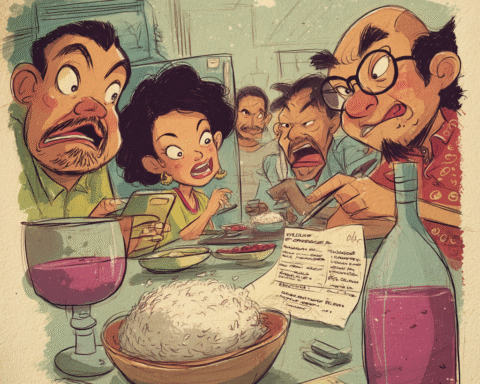
At a party, someone brings quinoa salad. It is good, crisp with pipino, sharp with calamansi. I take seconds. I also line up for rice. Both sit on the plate. The mouth switches lanes. One bite flickers. The next lands. I am surprised by the peace between them. Then not. The body accepts many things, until it hits the edge of meaning.
Meaning sits in the rice cooker. Press cook. Wait for the click. Lift, fluff, rest. Three steps, and then another. I keep repeating them. One more time. One more time. Ritual grows into taste. Taste grows into story. The story feeds you when the pantry is thin. Cauliflower rice has its own story, told in recipe blogs and gym talk and the promise of numbers moving. That story matters for some. For me, it asks me to eat like a guest in my own kitchen.
Filipino rice culture is not stuck in the past. New rice varieties arrive. Brown, red, black. We soak, we try, we argue. We learn to like the tug of fiber. We keep the scoop. We keep the press. Substitution is different from variation. Variation keeps the rule and plays inside it. Substitution removes the rule and writes a new one. I am not ready to lose the rule. Not yet.
There are days I hold the line. Other days I soften. A doctor’s visit. A tight shirt. I steam cauliflower rice with garlic, salt, a pinch of gisa mix I pretend not to own. It tastes better. I feed it to the ulam and it behaves. I tell myself I could learn this. My hand goes to the pot and I add two spoons of rice to the bowl. Call it weakness, or care. The words keep changing seats.
I remember my Lola scraping the bottom of the pot with a spoon to pry off the tutong. She would tap it into our palms. We ate it hot, fast, like a secret snack before lunch. The sound was the point. Tap, tap, release. A crisp shard breaks. The mouth pauses, then gives in. No substitute gives that moment. None I have found.
Filipino rice culture ties taste to time. It teaches slow eating in quick days. It lets leftovers be lunch without shame. Bahaw with tuyo and a tomato. A meal built on patience. Cauliflower rice wilts when it waits. Quinoa keeps well, but keeps apart. Rice grows softer and more itself. That is the oddness. Softer, and more itself.
So what is nourishment. Numbers, yes, we count them. But also the way a dish carries another dish. The way the spoon knows where to go next. The way a bowl says, stay a while. I want health. I also want to remember how to eat like home. If I reduce rice, I will call it by its name. Not rice. Not pretend. I will say cauliflower rice and know it is not rice. I will say quinoa and let it be quinoa. The bowl will hear me and settle.
Filipino rice culture is a table lesson that keeps returning. Rice without rice feels clever, then empty, then instructive. It tells me what I am guarding. Not starch alone. A way of arranging hunger so it meets care in the middle. One cup. One cup. Sometimes half. Sometimes none. Then, the next day, I lift the lid and the steam rises. I step back, blink, and move closer. Ready to eat what feeds me, and feeds the story I live in.