The first morning I remember is in my Tita’s kitchen in Paranaque. When I sat down, the plate was already there. The rice still gave off steam. The egg had crisp, uneven edges. On top sat one skinny slice of tapa, the smell sharp, a bit burnt at the sides. Off to the right was the usual clutter: a soft, overused bottle of banana ketchup and a shallow saucer of toyo where half a calamansi bumped against the rim. Many households started the day in a scene close to this.
Silog comes from sinangag and itlog, yet most children hear the playful names before they learn the root words. Tapsilog, longsilog, tosilog, bangsilog, hotsilog. You hear them from cousins, from jeepney signs, from the night-shift nurse ordering at the tapsihan. The language feels casual. The work behind the plate does not.
For years a Filipino silog breakfast pulled people toward one table. The house woke from the kitchen outward. A pot scraped the stove ring. Garlic hissed in hot oil. Cold rice slid from an ice cream tub into the pan and turned into sinangag. Someone watched the eggs, someone turned the meat, someone else counted links so each plate held a share. Meat stayed thin, rice stretched, yet the whole plate told the body it was ready for jeepney rides, flag ceremonies, heat that stuck to the skin.
In business districts the first line of the day now gathers in front of espresso machines. Behind glass sit pastries in even rows. People in ID lanyards and office shoes move forward, eyes on work chats and notifications. They step away from the counter with a drink and something sweet in paper. Breakfast slips into the short distance between train gate and elevator lobby.
The explanation often sounds simple. Traffic eats the early hours. Shifts start earlier, finish later. Sitting down for a full plate in the morning begins to feel like a luxury. Parents leave while the street still holds the yellow of the last lamp. Teenagers and young workers grab what waits nearby: instant coffee in a tumbler, cheese bread from the panaderya, a drink from a station stall. The tarpaulin outside the corner tapsihan still shouts about tapsilog and longsilog, yet many weekdays pass without garlic rice or fried egg on the tongue.
Most mornings a silog plate looks plain at first glance. Rice. One fried egg. A bit of meat pulled from the freezer, tapa one week, longganisa or tocino the next, depending on what is left. When the cook is not in a rush, a slice of tomato or cucumber lands on the side, along with a spoon of atchara dug out of an old ice cream tub. Oil and salt sit high, yet protein stands beside starch, enough to hold off hunger longer than sweet coffee and soft bread ever manage.
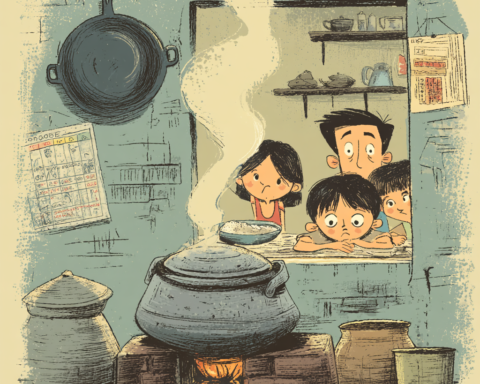
Breakfast in the Philippines has never been only about nutrients. It is a small daily scene. Water runs in the sink. Rice swirls in circles under someone’s hand. A fork beats eggs in a scratched plastic bowl. Children wander in with faces still swollen from sleep, following the smell more than the clock. A radio mumbles the news. A school ID appears from under a plate. A Filipino silog breakfast sits in the middle and keeps everyone in one place for a short time.
When coffee and pastry take that spot, the scene shifts. Siblings leave at different hours. One parent rides out early to escape traffic. Another stays for a later shift. The helper eats when the house turns quiet again. Food moves from the shared table into jeepneys, sidewalks, waiting sheds, mall lobbies. In homes where silog remains, it often moves to Saturdays and Sundays or turns into late-night ulam from a twenty-four-hour tapsihan.
Outside the main cities, mornings still look familiar in many streets. In towns where tricycles crowd the palengke, people sit in front of plates with rice, an egg, a strip of fish or tapa, steam rising from chipped mugs of coffee. Kids eat at tables covered in printed plastic, spoons scraping metal plates that have seen years. On the shelf behind them stand packets of instant coffee and wrapped pastries. Convenience waits within arm’s reach even where the old rhythm of breakfast still holds.
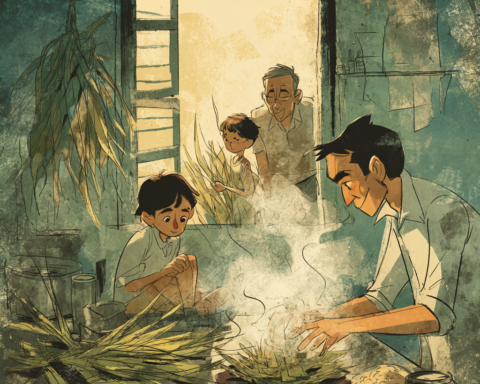
In many families one person carried the weight of this ritual. Most days it was one woman who started the morning. Nanay. A lola. The helper. She put on her tsinelas, tied her hair, lit the stove, and walked into a kitchen that still carried yesterday’s ulam in the air. When plates were empty and bags were grabbed and doors closed, she faced what stayed behind, the pans and spoons and rice on the floor.
There was a whole education in those movements that nobody bothered to write down. How thin to slice half-frozen tapa so it cooks fast yet still feels like meat. How much garlic to throw into the pan so rice wakes up instead of scorching. When to lift an egg so the yolk runs slow over the sinangag instead of turning chalky. How to stretch two cups of rice for four plates without anyone feeling cheated. These lessons moved through watching, tasting, small corrections muttered over the sound of frying.
The drift toward coffee and pastry moves skill away from that kitchen. Instead of a parent or elder judging heat and timing, a stranger behind a counter sets the tone of the morning. Foam patterns replace the quiet test of tasting the last spoon of rice. Flavors narrow. A glazed roll from one chain in Pasig tastes nearly the same as the one bought in Cebu. A Filipino silog breakfast refuses that flatness. One household loves sharp, almost burnt garlic. Another fries eggs in mantika saved from longganisa. Another keeps the rice on the pan until a crust forms. Memory sits inside those small differences.
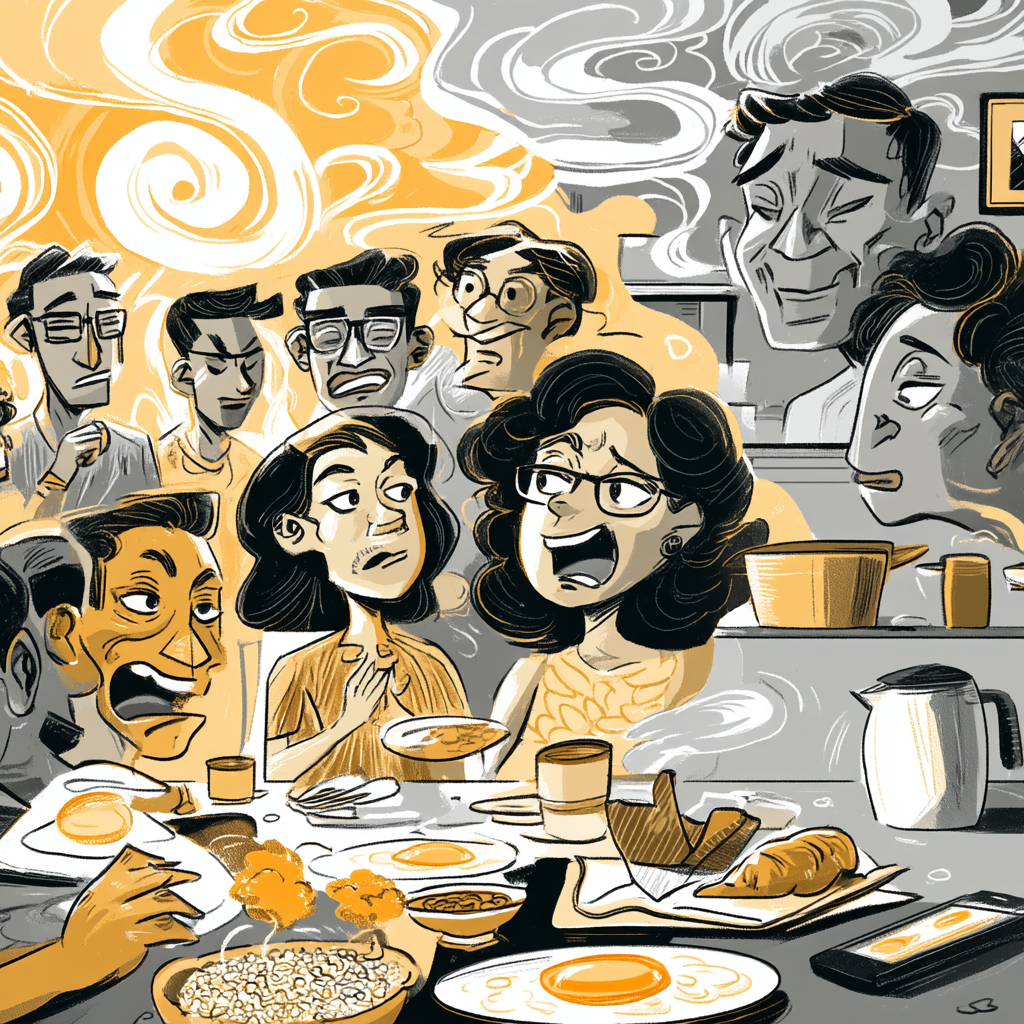
Many homes now hold both mornings at once. Parents sit over longsilog and plain coffee at the table. A college kid crosses the sala with earphones in and a plastic cup sweating in one hand, already late for class. There is no long speech, no slammed door. People accept the split and keep moving. Stories that once opened over the first spoonful of rice slide into group chats or fall away in the rush.
The point is not to praise one plate and condemn a paper cup. Lives change and schedules twist; no ritual stays frozen. A harder question hangs behind the steam of rice and the smell of brewed beans. On ordinary days, will there still be room for people in one house to look at one another across food that tastes like their own history. The Filipino silog breakfast will stay alive in some form: on plates in corner tapsihan, in bus-stop eateries, in tight condos where night-shift workers fry egg over leftover rice before lying down. Each time it moves from weekday habit to rare treat, breakfast leans closer to transaction and steps away from quiet ritual. The shift rarely announces itself. It lives in rice cooling in a pot no one touched, in a chair empty at six in the morning, in the soft click of a front door closing while the pan has only started to heat.