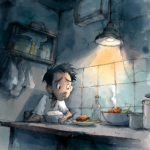
The grains sit in a shallow plastic batya, still clinging to bits of soil, some plump, some thin. You reach in and feel the roughness on your fingers before the tindera scolds you, laughing, and slips a small scoop into your hand instead. Outside, the highway hums with trucks loaded with uniform sacks of commercial rice. Inside this small stall, in a wet market somewhere in Luzon, someone has written on cardboard: heirloom, upland, native. The words look tentative, as if the letters still test whether there is space for native seeds philippines in a world ruled by brands and logos.
For a long time, seed simply waited in plain sight. Your lola kept a recycled ice cream tub on top of the cupboard, lined with old newspaper, where she stored next season’s sitaw and ampalaya seeds. A big plastic jar for palay sat under the bed, away from rats. Nobody called it seed banking. It was only tira from last harvest, saved on instinct. When hybrid varieties arrived through government programs and corporate reps with brochures, those tubs started to look old fashioned. Shiny packets promised higher yield and stronger plants. The old seeds slipped into the background, then into memory. The phrase native seeds philippines had no place in public speech yet, because native seeds still lived inside homes.
Ask small farmers about those years and you hear similar stories. Someone from the municipal office arrived with a program. A seminar. Free seed for the first cycle. Access to fertilizer and pesticide through credit. A promise of better yield. The math looked safe at first. Each season brought new dependence. Seed turned into something bought, not saved. Contracts and recommended packages dictated how farmers fed the soil. Debt crept in, quiet as weeds. When typhoons came, harvests failed, and the seed was no longer yours to plant again.
In this shift, seed moved from inheritance to product. The logic of agribusiness rests there. A company breeds a line, protects it through regulation, then sells it back as recurring need. In the archipelago, where palay once came from neighbors and relatives, seed now arrives through trucks and warehouses. The slogan of food security floats through speeches. Control over the first act of planting drifts from calloused hands toward distant offices. Language shifts with it. Traditional rice varieties receive the label “low yielding.” Indigenous seeds receive the label “unimproved.”
Today, during a walk through weekend markets in the city, another story appears. On a folding table stand glass jars labeled tinawon, red rice, black upland, each with the name of a village or terrace in the Cordillera. Beside them sit packets of upo, talong, sitao, sourced from community seed keepers. Small signs mention seed sovereignty and food sovereignty Philippines in handwritten ink. Sellers speak of farmers as partners, not suppliers. Here, the phrase native seeds philippines returns, not as nostalgia, but as a new argument.
The return of native seeds does not unfold through spectacle. It moves through envelopes shared in workshops, through seed swap days in parish halls, through trainers leaving a handful of binhing mais with a farmer who still recalls a grandfather’s line. Groups map which communities still guard indigenous seeds. Researchers list heirloom rice Philippines in terraces tourists photograph mainly for their beauty. In a small notebook or phone, a list starts to grow, naming grains and vegetables and the stories tied to each one.
You notice the difference first while eating in the kitchen, not while reading any label. Heirloom dinorado cooks into soft, fragrant kanin which holds its shape in your fingers. Upland rice stays slightly chewy, with a nutty edge which lingers. Older kalabasa lines carry deeper color, thicker flesh strong enough to stand up to long simmering ginataan. Bitterness stays sharp in small ampalaya which supermarket lines smooth out. These details are not neutral. Acceptance of uniform food on the plate often signals acceptance of a narrower future for seed. Welcome for variety opens space for native seeds philippines to survive as daily food, not showpiece.
The politics of seed sovereignty sometimes sounds abstract in policy papers. On the ground, work looks plain. A women’s cooperative keeps a community seed house, built from hollow blocks and corrugated iron, where labeled bottles hold palay, mais, legumes, and leafy greens. Members borrow seed at planting time, then return more after harvest. They decide which varieties stay in circulation. They negotiate with local officials over which lines receive support. Their work resists control without slogans. Decision making sits again with those who plant, weed, and cook.
Still, the pull of commercial seed remains strong. Farmers need yield to pay tuition, medicine, and debt. Climate shifts strain older varieties. Some native lines falter under erratic rain. People who care about seed sovereignty in the Philippines spend long days in trial fields instead of long speeches about heirloom grain. In small plots, farmers with a few allied researchers sow indigenous seeds, traditional rice from their own families, and some newer lines in neighboring rows, then watch with notebook in hand to see which ones live through heat, standing water, or waves of pests. The project does not chase a pure past. It negotiates which futures stay open.
For urban eaters, the slow return of native seeds asks for attention, not guilt. You do not control tariff regimes or trade agreements. You decide what enters your kitchen. When you choose rice labeled with a place and variety instead of only “regular milled,” you support entire chains of practice. When you grow kamatis from saved seed on a balcony pot, you join the same thread running through Ifugao terraces and Mindanao uplands. Native seeds philippines travel through these small acts as much as through national programs.
No one holds any guarantee here. Some varieties will disappear despite effort. Some will change shape in new soil and under new weather. The point is not purity. It is relationship. Seed saving carries stories, jokes, and arguments along with genetic material. A packet shared during a workshop might travel to a town where children have never tasted one shade of rice before. A lola who once kept seed on top of the cupboard watches her granddaughter label jars for a community seed library. Between those two gestures stretches a long history of control and release.
In the end, seed rests again in human hands. Not as a free gift from the store, not as a last relic in a museum box, but as something you select, keep, and share. Somewhere in a barrio, a farmer bends over a sack and separates next season’s grain from this season’s meal. The act looks small. Inside it, native seeds philippines take root again.