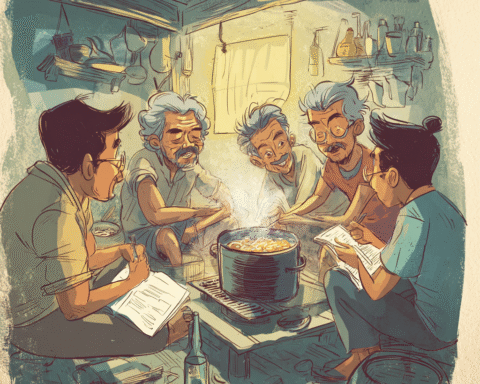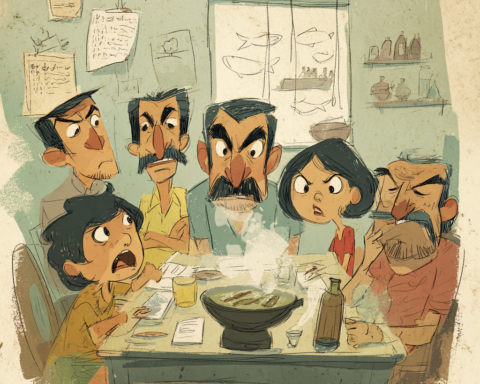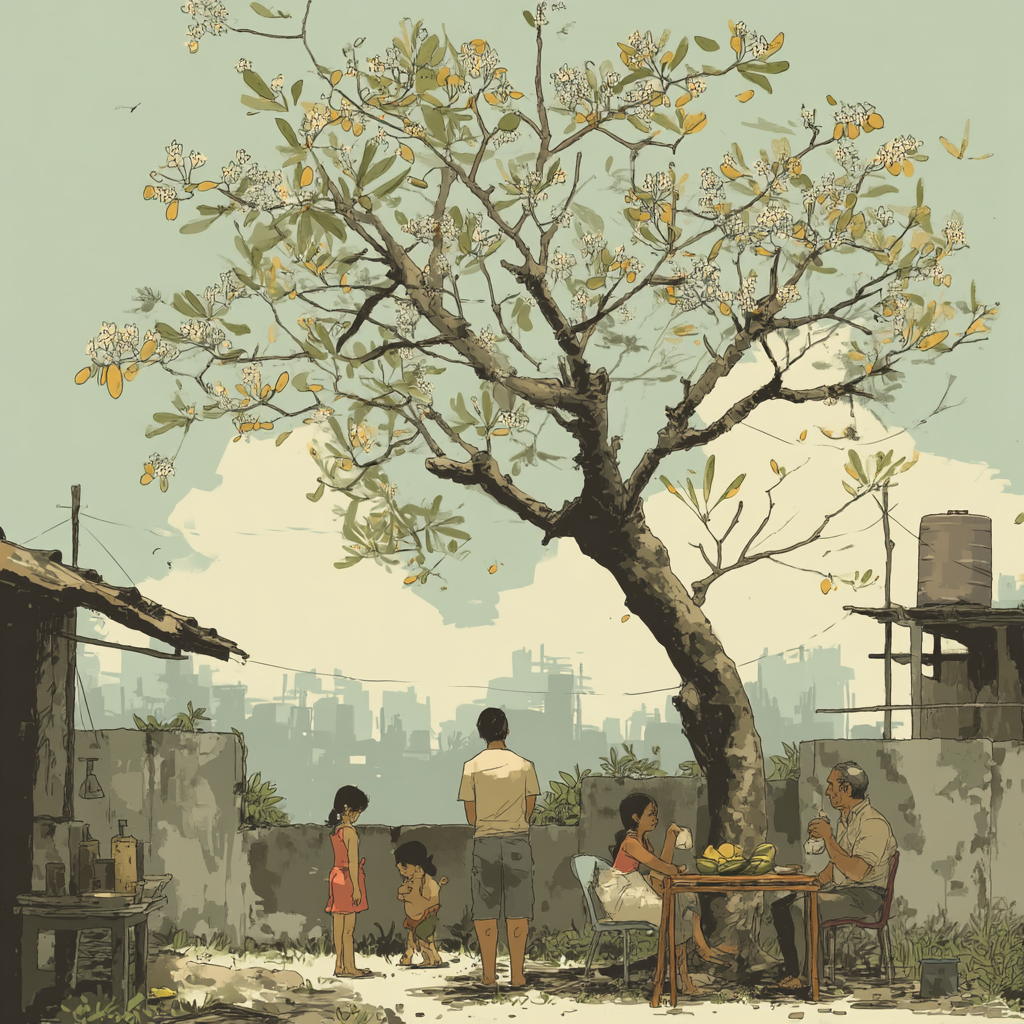

The first thing I remember is the smell of sap where the trunk had been cut for a new tabo hook, sticky and sweet in the heat of April. Under the old tree the ground used to shine with fallen flowers, pale and fragile, a yearly snow in the tropics. One vacation week the soil stayed bare. My lola frowned at the empty branches and said the tree was tired. Only later I learned to call this absence a symptom of a warming world, a small fracture in what we once trusted as the quiet order of Philippine mango season.
In our house the mango tree stood where a clock might stand. The year moved with it. When small buds came, my parents began to plan Holy Week trips. When the first tiny fruits appeared, my siblings and I brought out exam reviewers, knowing summer sat close. By the time the branches sagged with green fruit, my mother’s large palanggana waited near the sink for manggang hilaw and rock salt. Philippine mango season told us when to study, when to travel, and it invited us to stay outside until the streetlights blinked on.
Older relatives liked to talk about how the rhythm used to stay steady. March and April were for carabao mangoes that tasted of sun and sugar. Rain followed its own schedule. Dry months meant harvest, the way Lent meant pabasa and the month of Mayo meant Flores de Mayo. Farmers in Guimaras or Zambales counted on their trees the way urban workers counted on thirteenth month pay. Markets filled with woven baskets and old newsprint sheets where fruit glowed like small moons. The shape of Philippine mango season felt close to fixed, even while everything else in the country shifted around it.
Now neighbors stand at their gates and trade small weather reports. The tree flowered twice this year. The rain drowned the blooms. The wind arrived in the wrong month. A barangay elder shakes his head and says, nalilito na ang panahon, the season has lost its way. No one needs charts to sense that warming waters and restless air have begun to write their own calendar. The confusion sits in the bare branch that should be heavy by April, in the pan of bagoong that waits on the table with no sour slices to match.
When Philippine mango season starts to slide, the loss is not only sweetness on the tongue. Rituals loosen. A mother who once saved for kilos of fruit in March now faces lean harvests and higher prices, so she turns to imported apples wrapped in foam sleeves. A child raised in a mall-centered city learns to track time by sale posters and streaming releases. School vacation arrives and there is no smell of sap, no wet leaves under bare feet, no noisy race with cousins for the greenest fruit that still needs a day on the windowsill. The months still pass, yet they feel thin.
In the provinces, the trouble bites deeper. A farmer in Pangasinan who once shipped crates to Divisoria now waits for blooms that arrive weeks late. Sudden heat scorches the suyod of young fruit. Pests thrive in the warmth. Savings shrink when harvests fail, and so the farmer treats the soil harder, buys stronger chemicals, tries quick fixes to hold on to a thinning margin. Export contracts demand uniform fruit on strict schedules while the trees follow their own confused clock. Philippine mango season, once a source of pride on tourism posters, turns into a risk written into every planting decision.
At the city edges, trees fall for different reasons. A family adds a second floor and the branches stand in the way of hollow blocks and new windows. Another yard gives itself up to a parking space. A third owner sees flowers arriving out of step with the old pattern, worries that fruit will drop during the monsoon, and chooses the safety of cement. In place of a living barometer grows a water tank or a room for rent. The sky around the neighborhood narrows. Children learn the color of ripeness from plastic displays at the supermarket instead of from the slow change of fruit outside their own window.
Memory turns stubborn in response. Those who grew up with greener summers search for the taste that once anchored childhood. They buy mangga in December when freight routes make it possible, and the strangeness of eating peak fruit while Christmas lanterns blink overhead leaves a light unease. They scroll through old photos of cousins under trees, hands sticky with juice, clothes flecked with stray threads of pulp. What held all those scenes together was not only the fruit but the trust that it would return at almost the same moment each year, marking birthdays and reunions.
For younger Filipinos, the map forms differently. They know typhoons that arrive outside the old ber months and traffic patterns that ignore older work hours. They walk into air-conditioned groceries where labels speak of global supply chains, not nearby farms. Philippine mango season enters their life through price tags, export labels, trending recipes online. Some learn, through school modules or social media, to use the phrase “climate change” for the mix of heat, flood, and delay. Yet the language stays abstract beside the concrete hunger of a poor harvest or the blank look of a tree that skipped a flowering.
We like to say Filipinos wake each day ready for adjustment. There is pride in that habit. Barangays rebuild after storms. Families shift jobs. Jeepney routes bend to new roads. Something quiet frays though when the oldest clocks around us fall out of sync. When a mango tree blossoms in the wrong month or not at all, those who pay first are small farmers and vendors, then the children who grow without that reliable seasonal joy, then the rest who lose a shared reference for time.
I visit the old house less often now, yet each trip I drift toward the back lot where the tree stands. Some years it carries a thin crown of flowers in months that used to belong to rain. Other years it stays green and quiet right through the stretch we once called summer. I touch the bark where the tabo still hangs and try to match present branches with the ones that shaded my childhood plate of sliced fruit and salt. Philippine mango season now feels like an unreliable relative, still dear, still welcome, no longer sure of its ticket home.