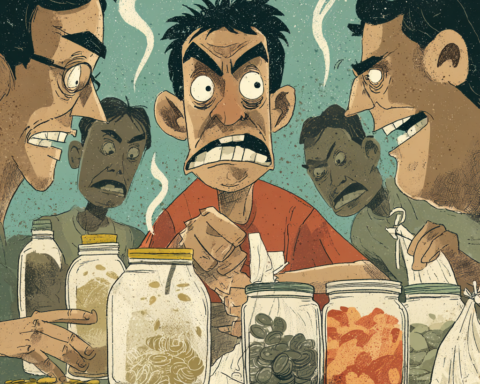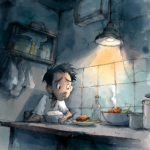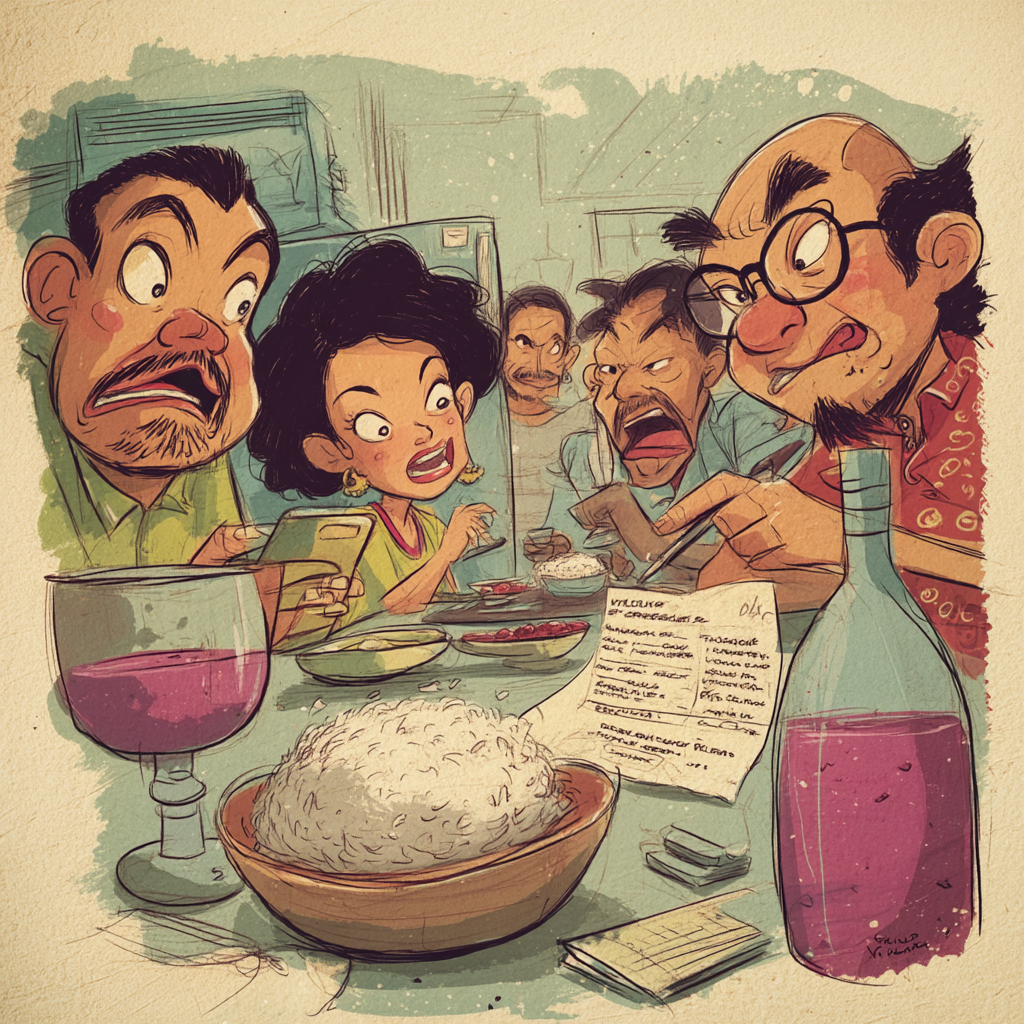
Filipino fermentation sits in the nose before the mouth. A jar opens on the table. Salt, fruit, rice, a live tickle of sour. I flinch. Then lean in. The room holds its breath, or maybe that is only me. A spoon taps glass. Someone says tikman mo. I try to answer. The word stalls.
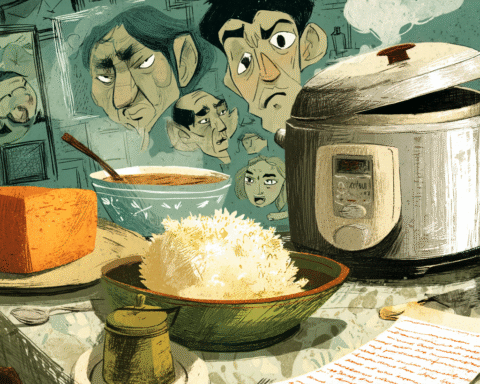
The first taste is a stumble. A slip of buro on warm rice, pinked by alamang. It smells like the river after rain. It tastes like patience that outlasted a season. Not a grand epiphany. A slow yes, then a quicker yes. Memory wakes in the gums, not the brain.
We learned this long before lab coats. Salt was the measure, not a scale. Clay jar the instrument, not a machine. A banana leaf seal that leaked a little. Good. Let it breathe. The old terms carry method inside the syllables. Buro from burok, to let be. Tapuy in the north, rice becoming wine becoming story around a hearth. Pangasi in Mindanao, rice or cassava tamed by wild yeasts. Science by daily life. The recipe is weather.
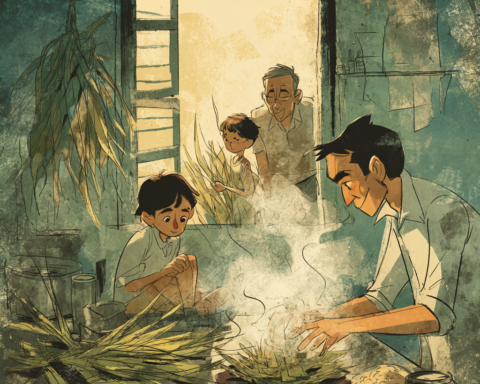
My lola worked without numbers. A handful here, a day there. Then she’d change her mind mid-sentence. Add more salt. No, less. I watch her press rice into a jar as if tucking a child to sleep. She leaves it near the stove where heat comes and goes. Time pools there. She says it will be ready when the sour turns soft. What is soft. She shrugs. She knows and does not say.
Fermentation sounds like rot. This is the contradiction. We spoil food to save it. The work makes waste into wealth, then back again, then forward. I once hid a jar because I thought the smell meant failure. Correction. The smell meant the microflora had found a language for the starch. My fear was the failure. Not the jar.
Across the archipelago the rules bend. In Pampanga, buro can be rice and fish, or rice and shrimp, or rice that remembers fish. In the Cordillera, tapuy flows in weddings, wakes, seed time. It warms the throat then the chest. In Zamboanga Peninsula, Subanen households feed pangasi like a living relative. The starter is old and young at once. A lineage in a lump. Keep it alive, pass it on, then start again.
Every place names the jar in its own way. Banga. Palayok. Even reused glass bottles if you run out of clay. Purists would object. I used to object. Then I drank tapuy poured from an old soy sauce bottle and learned to be quiet. The flavor was clear as a bell. And slightly cloudy. Truth is often cloudy. I let it be.
Rice carries most of the story. Not all of it. Cassava steps in where rice thins. Fish scraps go where markets fail. We ferment what the day gives. The taste maps scarcity and ingenuity in the same spoon. Poor food, they called it once. The same jar is praised as heritage on a white plate in Sydney, Melbourne, Makati hotels. I feel two feelings at once. Pride. And a small ache behind the teeth.
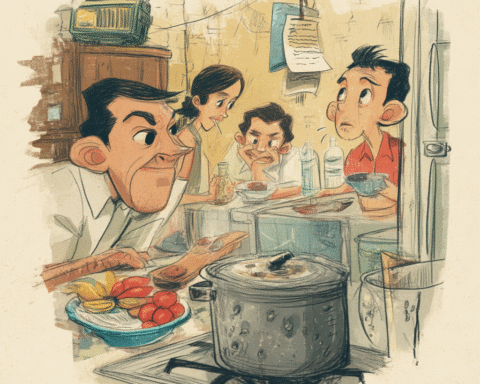
Listen to the verbs in our kitchens. To steep. To wait. To burp a lid. To skim. Not grand verbs. Workaday words. Yet each one shapes a microclimate. Sun through a window in April. A draft from a misaligned hinge. The house becomes a lab without saying the word. Even the ants keep watch. I brush them away, then stop. Their line marks a spill I missed.
History sits beside the stove. Trade moved salt across islands. Clay knowledge traveled with potters and broke and was repaired with goma. Spanish friars recorded rice wines in ledgers that smelled of mildew. American textbooks named the microbes and drew tidy diagrams. The naming helped. The tidy diagrams flattened the jar. We need both. We do not need to forget who kept the starters alive during war and drought. Mothers. Aunts. The uncle who drank too much tapuy and still remembered to feed the yeast.
In the barrio, a child goes to market with a bottle wrapped in newspaper. The vendor knows the bottle before the child speaks. A scoop of buro slides in. The exchange is quick, not ceremonial. On the way home the bottle warms under the arm. The rice will be hot. The mustasa crisp. That is enough story for a day. Except— I keep thinking of the river. Muddy then clear. No, wrong order. Clear then muddy after the typhoon and clear again months later.
Some foods teach hurrying. Fermentation teaches loitering. You watch the jar. You fail to watch. The jar does not care. It goes on. You learn to read bubbles at the edge like weather signs. You learn when to stir and when to leave it alone. You learn to trust a smell you once disliked. Then you falter and return to doubt. Then you taste. Repeated practice, repeated return.
Modern kitchens ask for temperatures. We answer with touch. The jar is cool this morning. The room is loud with rain. I move it nearer the stove. A small act of faith, or just habit. Later I Google the strains I think are inside. Lactobacillus something. Yeast names with Latin tails. Useful, yes. Incomplete. The words do not show how my hand hesitated before lifting the lid.
An elder tells me pangasi binds a community. To brew is to gather. To pour is to speak. To refuse is to say you are unwell or angry. He laughs when I ask for an exact recipe. He gives me a story instead. A wedding where the jar cracked from singing too close to the fire. They drank what they could and called it a lucky spill. I try to write this down without polishing it into a lesson. It resists. Good.
I return to the first spoon of buro. To the second spoon that tasted different. To the rice wine that burned a little then soothed. To the starter that looked asleep but was not. I tell myself the truth without decoration. Filipino fermentation is ancestry in action. Also lunch. Also a mess on the counter I will clean later. I reach for the jar again. The sour has turned a corner. Or I have.
If I say the jar remembers us, I overreach. If I say we remember through the jar, I risk poetry. I stop at this. We keep something alive that then keeps us. Not forever. Long enough.