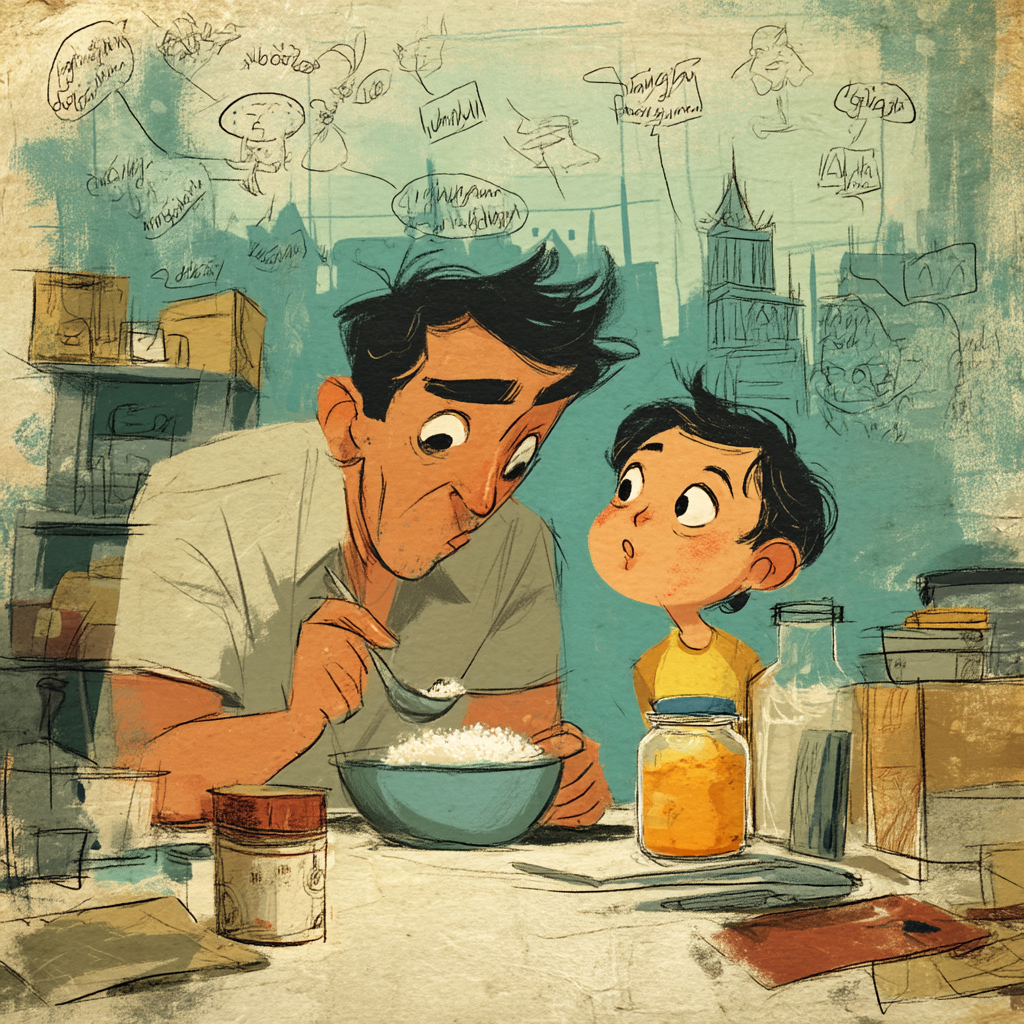
The spoon hits glass at the bottom of the jar and drags up the last orange streaks of taba ng talangka. Rice waits in a cheap plastic bowl with fading cartoon flowers, the sort from a discount shop in Melbourne or London. You drop the spoonful on top. Oil spreads across the hot grains and the air in the kitchen shifts. For a moment it smells less like cold laminate and fridge air and more like low tide in Roxas or Navotas, sun on concrete, seawater drying on skin. An English name sits at the edge of your tongue, those untranslatable Filipino words arriving a little late to the table.
A colleague at work had asked what taba ng talangka is. You tried “crab fat” and heard how heavy it sounded, like a medical warning instead of dinner. “Roe” missed the mark. “Paste” made it sound factory-made, something squeezed from a tube. None of those phrases reached the feeling of a teaspoon over hot rice on a tired night, the way that small orange heap turns a plain bowl into something close to a visit home.
In your head, taba ng talangka stands beside other untranslatable Filipino words that sit close to taste. Linamnam stretches beyond “delicious” and “savory.” It points to depth, to broth that took time, to sauce that holds more than salt. Lasa covers taste, yet also opinion and habit. You say, “Hindi ko type lasa,” and it means the flavor misses your tongue’s history. Anghang is not only “spicy.” It is heat that sneaks in and lingers, sometimes returns after you think it has gone.
As a child, no one asked you to define linamnam. Adults used it as a verdict. You sipped sinigang and heard your lola say, “ malinamnam.” Spoons knocked against bowls and someone said it again. That short remark held salt, tamarind, maybe a bit of beef bone, and the long act of keeping the fire steady. It floated in the steam and told you the meal had reached the right place.
Years later, in another country, you reach for the word “flavorful” and feel it fall short, like a recipe printed neat on paper without anyone’s notes in the margins. English taste words line up in simple rows: sweet, salty, sour, spicy. They sound like labels on jars. Meanwhile linamnam, lasa, and anghang move through your thoughts like relatives at a crowded gathering, stepping on each other’s toes, refusing straight lines. These untranslatable Filipino words remind you that flavor keeps stories inside it.
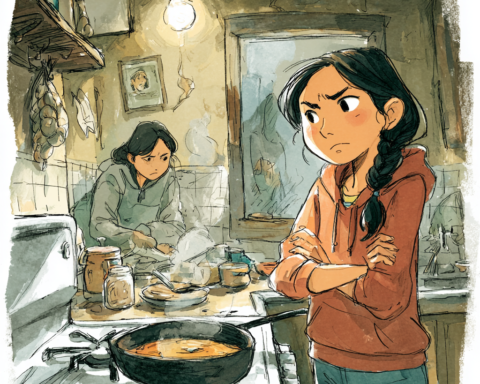
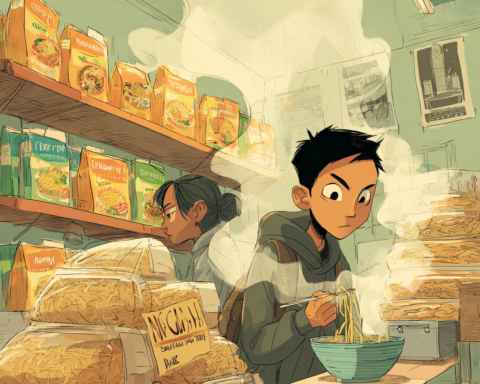
No teacher abroad talked about untranslatable Filipino words in class. Lessons stayed on grammar rules and book reports. Kitchen words waited outside the door. At home, you kept jars from the Filipino grocer in the fridge door behind other condiments. The stickers showed enough English for customs and flatmates. The real name stayed with you. When you read it, you saw not only the product but coastlines, bus rides, plastic bags that once held ice-cold soft drinks.
At a potluck, someone opens your plastic container and squints at what is inside. “What’s this?” they ask. Heat rushes out with the steam, heavy with garlic, shrimp paste, and a muddy salt smell you know from home. You say “crab fat” because the question came in English and plates are already moving. A joke about cholesterol lands. People laugh. Spoons dip in with a mix of caution and curiosity. You smile, explain where it comes from, yet feel some part of the dish slide to the side, like rice falling from a spoon before it reaches the mouth.
Later, you think about how often lasa carries more than taste. You tell a friend, “Iba ang lasa ng adobo nila,” and there is no insult in the sentence, only difference. That line folds in region, family, class, even religion, without saying any of those words aloud. When you say you miss the lasa of street fishball sauce, you mean the sweetness against the sharp vinegar, but also the rough pavement, the gossip near the cart, the cheap thrill of not knowing if your stomach will complain the next day.
In a share house in Melbourne, you lean over a pot of nilaga. The beef came from a supermarket, the cabbage looks a little too perfect. The stew smells close but not quite. You taste the broth and mutter, “Kulang sa linamnam,” reach for patis, and hope the salt and funk pull it nearer to the version in your head. No one in the kitchen asks what linamnam means. The word works between you and the pot without translation, a private agreement.
Online, you start to keep a stash of phrases the way you keep jars of condiments. In group chats, you let them stand on their own. “Na-miss ko yung lasa ng street fishball.” “Walang linamnam yung sabaw dito.” Replies come from friends in Middle East, Auckland, Los Angeles. Some send complaints about anghang that feels off, about chili heat that screams without depth. The English in the thread handles schedules and rent. Filipino slips in around hunger and memory, carried by these untranslatable Filipino words that travel on screens faster than any balikbayan box.
Younger cousins born abroad take a different road. They meet taba ng talangka first as a jar in the fridge and a warning from parents who talk about cholesterol. Someone finally twists the lid, scoops a small amount over their rice, and says the name slowly. The kids try to say it, stumble on the syllables, then get closer on the second and third try. They might not speak long sentences in Tagalog, yet their tongues begin to sort which dishes hold linamnam, which ones leave them bored, which kind of anghang makes them stop for water. Taste becomes their first language lesson.
Menus abroad attempt translations. You see “crab fat rice” or “garlic crab roe” in small print. The dish comforts you, yet the wording feels trimmed. The naming leans toward what sounds safe for strangers. On the page, the dish looks like any other mixed rice bowl. In your head, untranslatable Filipino words crowd around it. They sit in the space between menu and mouth, waiting for someone to ask beyond the short English line.
There are nights when you feel worn out from explaining. It takes effort to walk people through each spice, each worrying headline about cholesterol, every memory stored in the jar. On those evenings you answer “crab fat” and let the table drift to another topic. When the guests go home, you push the jar back to its spot behind the peanut butter and cheap pickles. Late that night you stand in front of the open fridge, say the full name to yourself, and take a small spoonful over the sink with the cold light on your feet.
Then there are slower dinners when the questions feel softer. Someone asks where taba ng talangka comes from, how it reaches this city, why your face changes when you eat it. You talk about rivers and coasts, about vendors at dawn markets, about jars wrapped in old newspaper inside luggage. The room grows quiet for a short stretch while people chew. In that pause, the dish sits at the center not as “crab fat” but as one of those untranslatable Filipino words that anchor a story.
One afternoon, a child at the table scoops rice, points to the orange smear near your bowl, and asks, “Ano po ito?” You answer taba ng talangka, slow, no English. The child repeats it, still unsure where to put the stress, then takes a bite. Their face shifts as the salt and sea hit their tongue. They nod once and go back for more, this time saying the name a little clearer. Plates clink, voices rise, and the moment passes. Later, while washing dishes, you think of that small nod and the way the word now lives in their mouth too, sitting beside other tastes that wait for their turn.